
Policy
AI model training and copyright: what's changed?
AI model training on copyrighted books raises new copyright questions. Here's how this practice shifts the legal and business landscape for AI developers and rights holders.
AI-generated from the cited source and editorially curated by AINEVERSTOPS. Read our editorial policy →
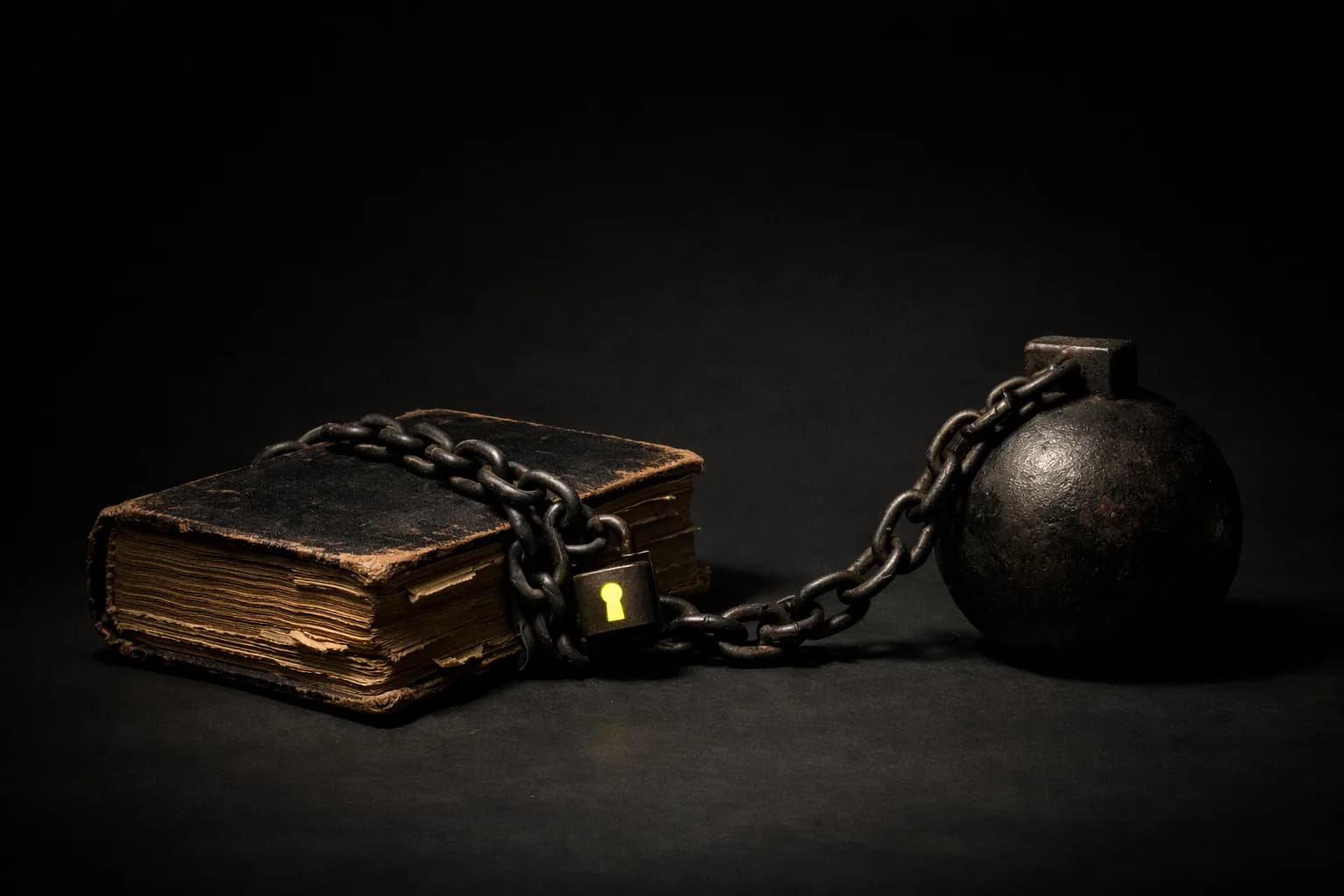
Training AI on copyrighted texts: the old approach
Until recently, large-scale AI training operated mostly in the shadows. Developers scraped web content—books, articles, essays—without asking permission. The logic: machine reading is not human reading, and transient copies made by algorithms for training were viewed as a gray area. In practice, many AI models absorbed copyrighted works wholesale, with minimal legal oversight or licensing. Rights holders, especially authors, rarely knew if their creations had become fodder for a neural network. The default assumption: enforcement was unlikely and the technical details too complex for courts to parse.
This implicit, unregulated status quo meant that AI innovation often outpaced copyright enforcement. Businesses built products atop models trained on materials they didn’t own or license, betting that regulators and lawsuits would lag behind technical progress. For years, this bet paid off.
The legal spotlight shifts onto training data
Now, the legal focus is squarely on how training data is sourced. High-profile lawsuits from authors and publishers have forced courts and legislators to scrutinize the practice. The question is simple on the surface—can you train AI on copyrighted books without explicit permission?—but the answers have grown more contested and complex. Cases hinge on interpretations of fair use, the transformative nature of AI outputs, and the scale and purpose of data ingestion.
For businesses, the risk calculus has changed. Training on copyrighted material is no longer a background detail; it’s a headline risk. Teams must weigh the legal exposure alongside the technical benefits of richer training sets.
Transparency and consent: a new business imperative
Opaque data practices no longer pass muster. Developers who once quietly amassed training corpora now face demands for transparency: What data did you use? Who owns it? Did rights holders consent? For companies, this means new processes—auditable data provenance, explicit licensing, or at minimum, opt-out mechanisms for creators.
In the projects we run, we’ve seen clients shift from a 'use it unless stopped' stance to seeking clear, documented rights. This slows down model development, but reduces the odds of costly retroactive licensing—or worse, product takedowns. Startups and established players alike must budget for both legal advice and rights acquisition.
Industry adaptation: licensing, synthetic data, and new norms
In response, AI companies are negotiating with publishers, aggregating licensed data, and exploring synthetic alternatives. Some now offer to pay for access to curated datasets, or partner directly with author collectives. This raises costs and narrows the pool of available training material, but it makes business models more durable. Synthetic data—text generated for training—offers partial relief, but can’t fully replicate the richness of real books.
This shift means smaller players face higher barriers to entry, while established firms with licensing clout can differentiate on compliance. The tactical use of data is now a core part of go-to-market strategy, not just a technical concern.
Why the copyright debate matters for AI adoption
For businesses deploying AI, the copyright debate is no longer abstract. Clients and customers ask about data sources; investors want clarity on legal exposure. Regulatory uncertainty influences product roadmaps and partnership discussions. The age of non-consensual data scraping is ending. From now on, building AI on copyrighted works without a legal safety net is a bet few can afford to make.
- copyright
- ai training data
- publishing
- regulation
- business risk
- licensing
Source: TechCrunch AI
Keep reading


Want AI in production at your company?
Tell us about your project: we reply with a free first assessment and the next steps.
Join the Observatory list
Leave your email to hear about new pieces from the Observatory — concise AI analysis from real projects.