
Policy
AI Surveillance Cameras Face Funding Freeze in Texas
AI surveillance cameras from Flock see their Texas funding frozen after public backlash, raising key questions about privacy, policy and business risk for smart security firms.
AI-generated from the cited source and editorially curated by AINEVERSTOPS. Read our editorial policy →
How AI Surveillance Cameras Work in Policing
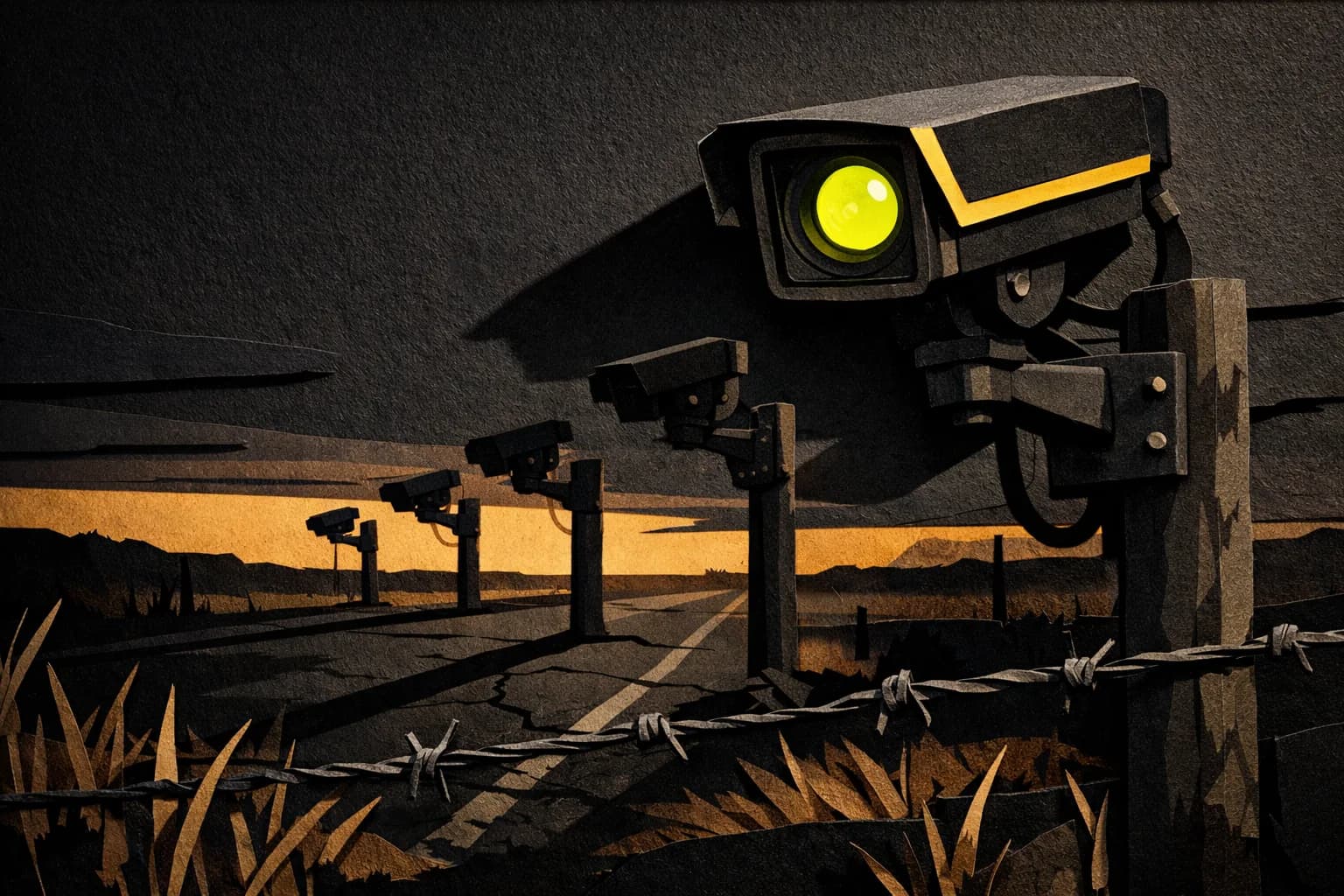
Flock cameras are small, fixed-position devices set up along roads or public areas to scan license plates and capture images of passing vehicles. Software powered by artificial intelligence processes these images in real time, cross-referencing them with law enforcement databases to flag stolen cars, wanted individuals, or other alerts. The system automatically notifies police when it detects a match, promising to speed up investigations and add another layer to local policing.
For agencies, the main appeal is automation: no need for officers to monitor every camera feed or manually review footage. Instead, data points are collected, sorted, and prioritized by software, often with integrations into dispatch or case management tools. These tools turn a constant stream of images into searchable records—potentially covering entire neighborhoods or stretches of highway.
Texas Funding Blocked Amid Public Privacy Concerns
Texas had spent more than $30 million on these AI-powered cameras, primarily by adding a $1 surcharge to insurance policies. The program scaled quickly, with devices cropping up in towns and city limits across the state. Public outcry, however, followed: residents and advocacy groups raised alarms about mass surveillance and the lack of oversight on how data was being collected, stored, and used.
Governor Greg Abbott stepped in, freezing further spending on Flock cameras. The freeze came just as a major news investigation was about to be published, detailing the state's rapid rollout and the funding model behind it. The move signals political caution amid rising debate about AI and privacy.
Business Risks Lurking Behind Public AI Deployments
Smart security vendors operate in a high-stakes space, where local politics and shifting regulations can upend business models overnight. Funding freezes like this can disrupt not only revenue, but also the credibility of surveillance companies trying to expand. In the projects we run for clients considering AI security, reputational risk often outweighs pure technical capability. This is especially true for technologies that gather data on the public en masse.
Vendors must anticipate not just technical objections, but also questions about civil liberties, transparency, and consent. Even if a product delivers value on paper, a sudden policy reversal—or public backlash—can stall or kill adoption.
Insurance Surcharges: An Unusual Sales Channel for AI Tech
The method Texas used to fund its smart camera rollout deserves attention. By adding a small fee to vehicle insurance policies, the state sidestepped more visible funding battles in legislative chambers. While clever, this model isn't immune to controversy. When funding mechanisms are hidden in everyday costs, public pushback can be swift, as we've seen in this case.
For companies selling to government, funding models often matter as much as technical merit. Hidden or opaque budget practices can trigger scrutiny and erode trust, especially with technology that touches broad populations. Any startup or established vendor in this domain needs to factor in political optics alongside product features.
Rethinking Sales Strategies for AI Surveillance Providers
What happens in Texas rarely stays in Texas, especially for fast-growing surveillance tech firms. Headlines like these ripple outward, making municipalities and commercial buyers rethink procurement or demand extra transparency. Smart security vendors will need to adapt by building privacy protections into their products and communicating these clearly to customers—and the public.
Winning contracts may depend less on AI prowess than on demonstrating responsible data handling, independent audits, and an open approach to privacy questions. Building trust is now a key differentiator, not just a compliance checkbox.
- ai surveillance
- public policy
- privacy
- smart security
- texas
- government technology
Source: The Verge AI
Keep reading



Want AI in production at your company?
Tell us about your project: we reply with a free first assessment and the next steps.
Join the Observatory list
Leave your email to hear about new pieces from the Observatory — concise AI analysis from real projects.