
Brand
ChatGPT Basketball: OpenAI’s Hardware Hype or Brand Flex?
OpenAI’s ChatGPT basketball signals a bold hardware experiment, but its business value is murky. Does branded merchandise move the AI needle for firms?
AI-generated from the cited source and editorially curated by AINEVERSTOPS. Read our editorial policy →
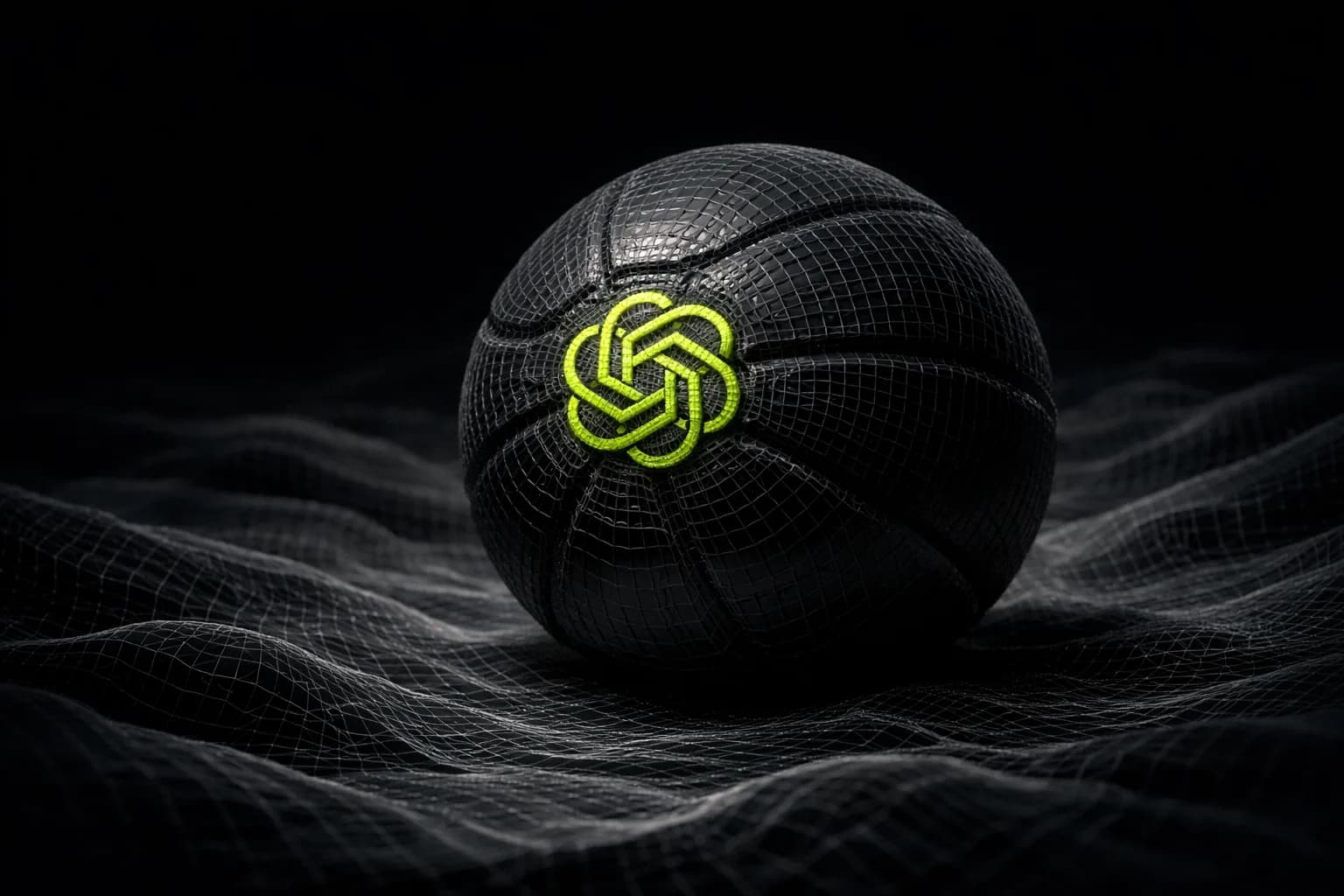
OpenAI’s Basketball: A Brand Play Disguised as Hardware Innovation
OpenAI, a company best known for its generative AI models, recently launched a ChatGPT-branded basketball. The move turned heads in both the AI and product marketing worlds, not least because the leap from chatbots to sports equipment feels abrupt. This ball isn’t embedded with sensors or connectivity. It’s a regulation basketball, stamped with the ChatGPT logo. For a firm that’s publicly steered clear of consumer hardware, the release is unexpected—perhaps deliberately so. It’s a classic attention-getting play, less about function and more about flexing the brand’s growing cultural presence.
Beyond the Logo: What’s Actually Different About This Ball?
Despite the initial speculation, this isn’t a smart basketball. No neural net lurks beneath the synthetic leather. There’s no companion app, AI-powered coaching, or live analytics. The ball is a limited-edition piece of sporting equipment, functionally identical to any off-the-shelf equivalent. The only twist? ChatGPT’s name and color palette. For buyers, the value resides almost entirely in novelty and collectibility. For OpenAI, it’s a low-risk way to test brand resonance outside software.
Marketing Experiment or Strategic Signal?
Selling a basketball with an AI chatbot’s name on it is not a tech milestone, but as a marketing experiment, it’s revealing. For years, OpenAI has kept its optics focused on model performance and developer APIs. This release signals a willingness to play in the consumer zeitgeist, even if the product itself is ordinary. It’s closer to what streetwear brands do than what we’d expect from a company famous for API tokens. The subtext: OpenAI wants to see if its brand holds weight in the physical world, not just online.
Does Branded Merch Help AI Businesses?
The business case for AI-themed merchandise is thin on direct revenue. High-margin collectibles can pad the marketing budget, but they rarely move the real business KPIs. That said, these stunts can pay off in earned media and cultural relevance—two currencies that matter when courting talent, strategic partners, and mass adoption. Some early-stage AI startups copy this playbook with hoodies or stickers at conferences. But for clients and enterprise buyers, symbolic gestures don’t substitute for hard metrics on model performance or reliability.
Reading the Room: What Real Customers Want From AI Providers
Buyers of AI solutions, especially in enterprise settings, demand proof of value, not novelty. In our consulting work, we see procurement teams prioritizing security, ROI, and clear workflows over clever branding. The ChatGPT basketball might spark a LinkedIn post or two, but it won’t influence the decision-makers writing six-figure checks. For OpenAI, the risk is low—the upside is a whiff of approachability and maybe some viral buzz. The lesson for serious AI companies: fun is fine, but don’t confuse brand play with meaningful product progress.
- openai
- chatgpt
- branding
- hardware
- ai business
Source: TechCrunch AI
Keep reading

Want AI in production at your company?
Tell us about your project: we reply with a free first assessment and the next steps.
Join the Observatory list
Leave your email to hear about new pieces from the Observatory — concise AI analysis from real projects.