
Policy
ChatGPT and Creative Voice: What Changes for Writers Now
ChatGPT's rise prompts fresh debate about the creative voice and authorship. Here's how AI alters the landscape for writers, and what businesses need to rethink.
AI-generated from the cited source and editorially curated by AINEVERSTOPS. Read our editorial policy →
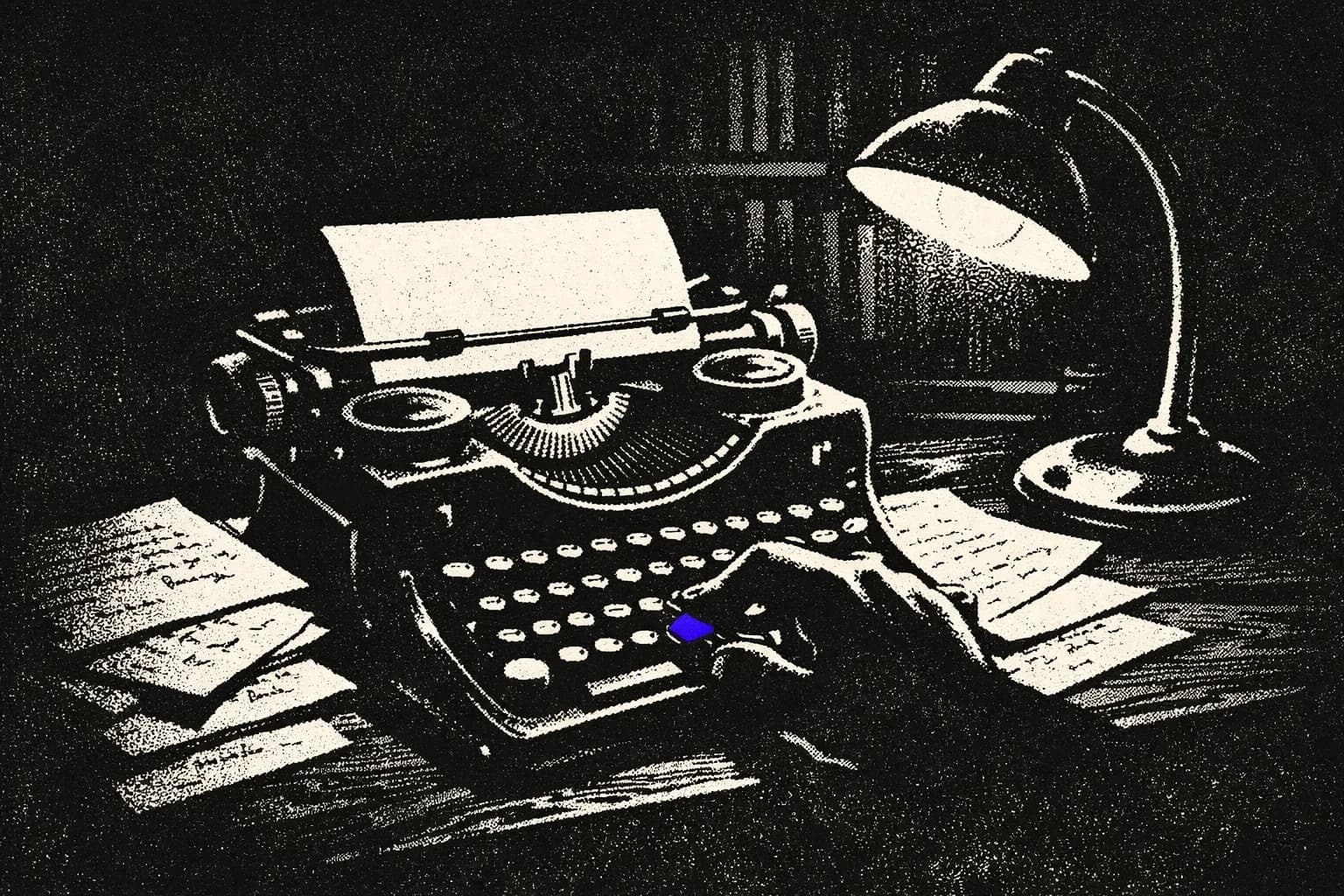
Before ChatGPT: The Writer’s Voice Was Inimitable
For generations, the written word bore an unmistakable fingerprint. A novelist’s style, a columnist’s cadence, a copywriter’s turn of phrase—all signaled a living author behind each sentence. Publishers, agents, and readers alike prized distinct voices. Creative writing courses drilled students to develop their own. The act of producing original prose felt inseparable from personhood and intention, whether in a novel, a branding campaign, or a nonprofit’s mission statement. Ideas moved slowly, filtered through the quirks and convictions of individual writers.
AI Enters: The Rise of Synthetic Language
The arrival of ChatGPT and similar large language models upended this. Suddenly, anyone could generate paragraphs that mimicked human style with eerie fluency. Businesses flocked to these tools for everything from marketing copy to internal emails. The wall between human and machine-written language began to crumble. For creative professionals, the change was jarring: AI could echo the surface style of a bestselling author or seasoned journalist in seconds. The value and identity of the writer’s own voice started to blur.
Dave Eggers’ Warning: The Cost of Imitation at Scale
When acclaimed author Dave Eggers addressed OpenAI’s staff, his message was blunt: tools like ChatGPT risk “silencing an entire generation.” His concern wasn’t about theft of content, but something deeper—the flattening of creative diversity. If AI systems train on the patterns of past writers, then mass adoption could push new voices, oddities, and regional flavors to the margins. The result: an endless loop of imitation, with original style crowded out by algorithmic averages. For companies building their brand or messaging, this raises a question: Does using AI for content risk diluting the unique identity they’ve spent years cultivating?
What Shifts for Businesses and Creative Teams Now
Before, hiring a writer meant investing in a point of view. Now, teams can spin up AI-generated drafts instantly, iterating almost endlessly. The temptation is clear: faster production, lower direct costs, and content that reads professionally enough for most eyes. But the trade-off looms. Without a strong editorial hand, messaging risks sounding generic and interchangeable—a problem for organizations that rely on trust and differentiation. Creative agencies, in particular, find themselves re-negotiating their value proposition: is it their ability to write, or their ability to edit, curate, and decide when not to use the machine?
Preserving Distinctive Voice in the AI Era
For those who care about originality—whether in fiction or commercial work—the task shifts from writing every word to defending the boundaries of what makes expression singular. Some teams now treat AI as a drafting tool, followed by rigorous rewriting and review. Others double down on author-led pieces, foregrounding named voices and lived experience. In the projects we run, we’ve noticed clients valuing bespoke, opinionated writing more than before, as a hedge against the sameness AI can produce. The key: making deliberate choices about when and how to deploy these new tools, so the company’s voice remains unmistakable.
- chatgpt
- creative writing
- authorship
- ai-generated content
- branding
- language models
Source: The Verge AI
Keep reading


Want AI in production at your company?
Tell us about your project: we reply with a free first assessment and the next steps.
Join the Observatory list
Leave your email to hear about new pieces from the Observatory — concise AI analysis from real projects.