
Models
Claude Science Empowers Research With AI Automation
Claude Science, Anthropic’s latest flagship, uses AI to streamline scientific research by transforming high-level instructions into autonomous, actionable results.
AI-generated from the cited source and editorially curated by AINEVERSTOPS. Read our editorial policy →
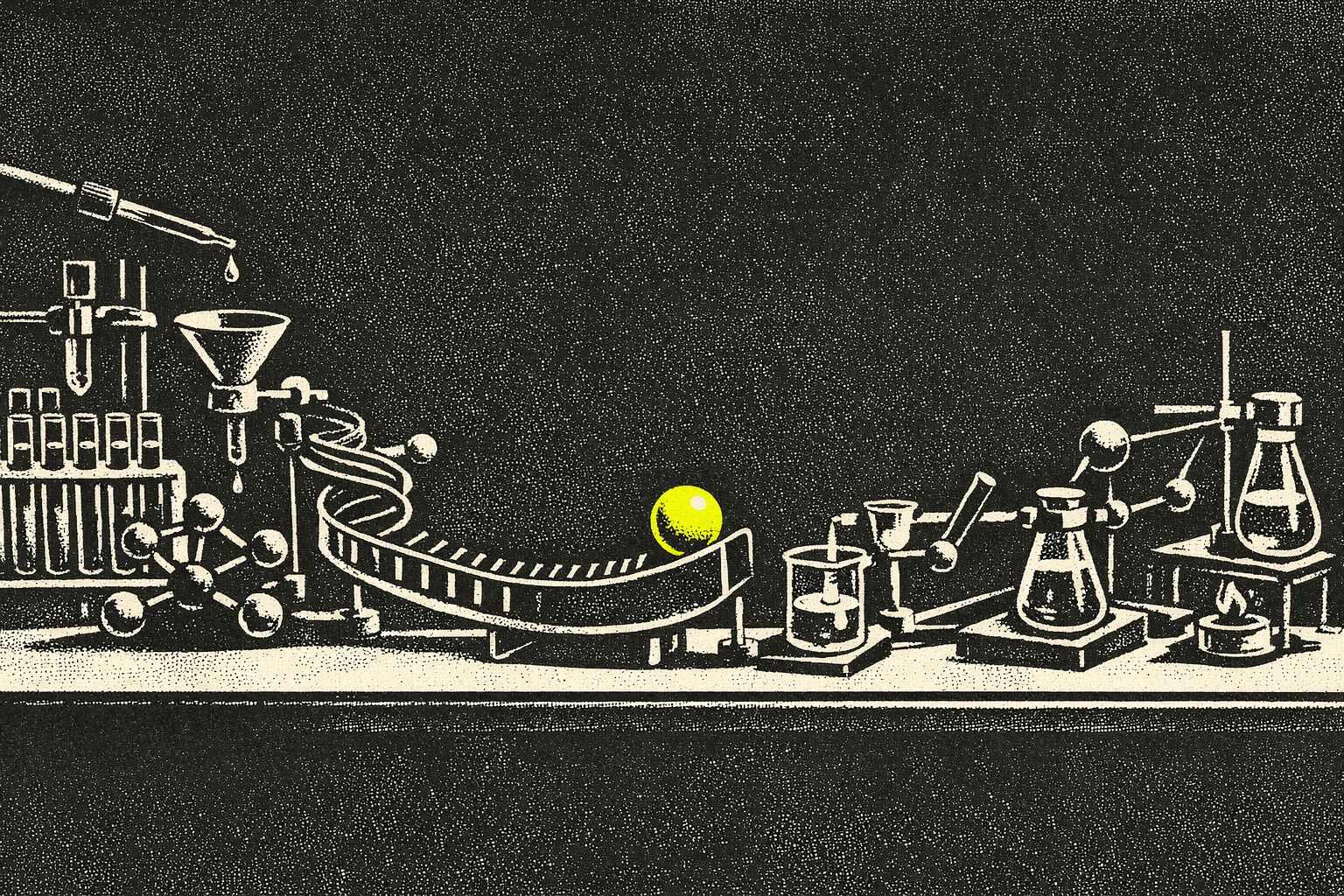
Anthropic Launches Claude Science for Research Innovation
Anthropic, a leading generative AI developer, has introduced Claude Science, a product tailored specifically for scientific research. The announcement took place during an event attended by pharmaceutical executives, biotech founders, and academic researchers. By unveiling Claude Science, Anthropic signals its commitment to extending AI’s transformative impact beyond software engineering and into complex scientific domains.
Autonomous AI Capabilities Designed for Scientists
Claude Science draws inspiration from Claude Code, Anthropic’s specialized tool for software development, but is engineered to meet the intricate demands of research environments. Researchers can provide succinct, strategic instructions, and the AI undertakes substantive, autonomous tasks—ranging from data analysis and literature reviews to experiment planning. This approach aims to augment the productivity of scientists, freeing valuable time for deeper inquiry and creative problem-solving.
Real-World Applications in Pharma and Biotechnology
The initial launch event’s focus on pharma and biotech highlights the significant potential of Claude Science to accelerate breakthroughs in life sciences. In industries where data volumes are massive and regulatory requirements stringent, automating routine research activities can deliver tangible value. Early adoption by these sectors may include applications such as hypothesis generation, drug discovery support, and compliance-driven documentation.
How Claude Science Impacts Business Productivity
AI’s expansion into scientific research promises to address common business bottlenecks, such as limited expert bandwidth and manual, repetitive workflows. By leveraging autonomous AI, organizations can reduce cycle times for experiments, surface insights from data at scale, and respond faster to regulatory or market demands. For business leaders, investing in purpose-built research AI like Claude Science may offer a competitive edge, fostering innovation and improving operational efficiency.
Looking Ahead: The Broader Implications for AI in the Lab
Anthropic’s release of Claude Science aligns with a growing trend: the verticalization of AI into domain-specific tools that handle specialized tasks. As large language models evolve, their customization for scientific and technical work is expected to deepen, potentially transforming the way research institutions and private enterprises approach discovery and development. The pace and impact of such adoption will likely shape the next wave of innovation in R&D-focused industries.
- anthropic
- ai research
- scientific automation
- pharma
- biotech
- productivity
Source: MIT Technology Review
Keep reading



Want AI in production at your company?
Tell us about your project: we reply with a free first assessment and the next steps.
Join the Observatory list
Leave your email to hear about new pieces from the Observatory — concise AI analysis from real projects.