
Policy
Claude Text Watermarks: Anthropic Details Invisible Marking Tech
Anthropic reveals its invisible watermarking for Claude text, using SynthID-Text to comply with EU AI transparency rules. What does this mean for businesses?
AI-generated from the cited source and editorially curated by AINEVERSTOPS. Read our editorial policy →
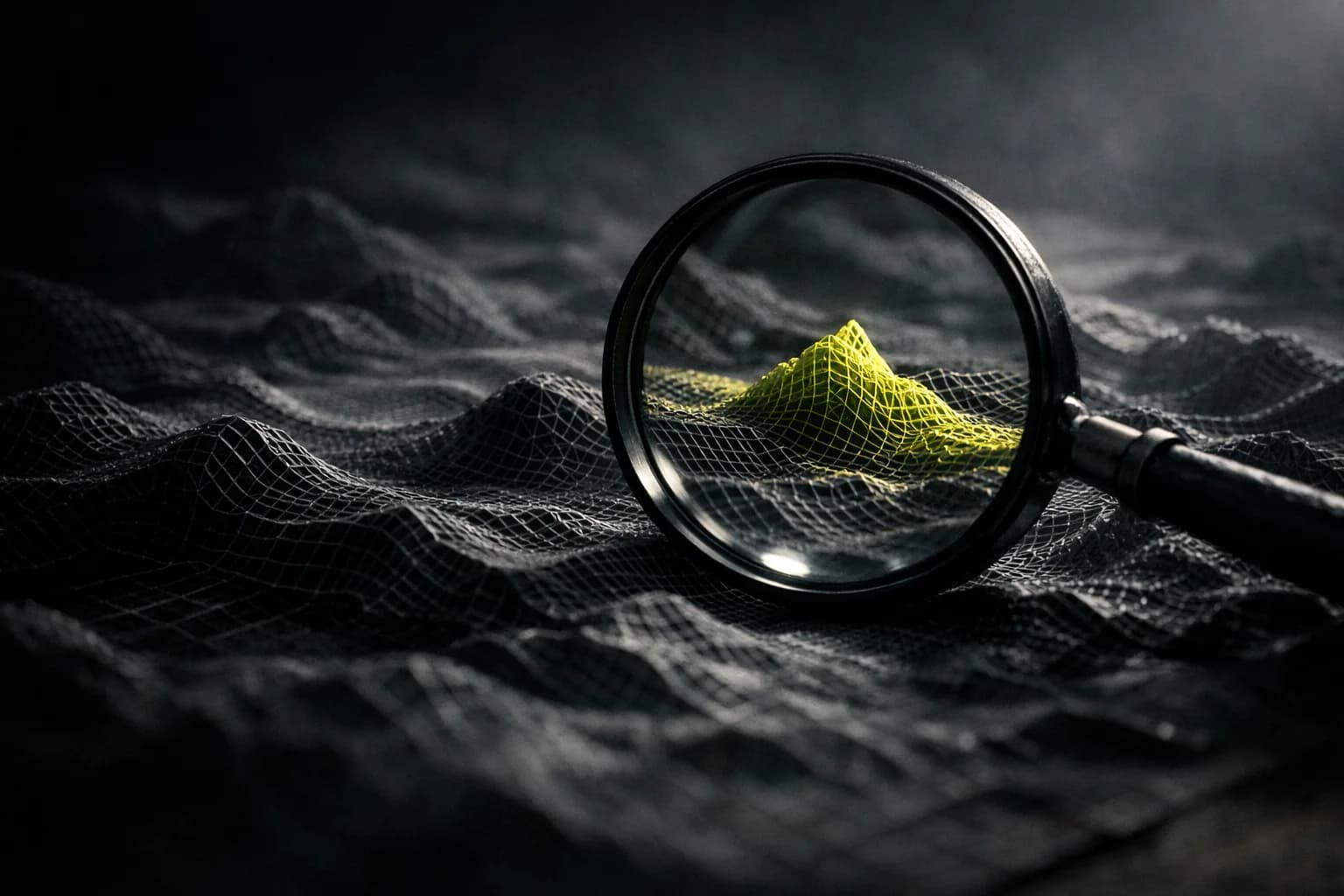
Invisible Metadata: How Claude Embeds Watermarks in Text
Anthropic’s Claude model will soon mark every word it writes with a secret, machine-readable signature—hidden in plain sight. The technique, adapted from Google DeepMind’s SynthID-Text, doesn’t stamp text with visible symbols or quirky spellings. Instead, it subtly alters the probabilities of certain word choices, weaving an invisible pattern into the generated output. This watermark can’t be spotted by the naked eye, but specialized tools can confirm whether a block of text was written by Claude.
That’s a fundamentally new kind of metadata. Unlike image watermarks or digital signatures, which can often be stripped or blurred, text watermarks operate at the level of word sequence and grammar. To a human reader, there’s no giveaway. For a compliance auditor or a publisher worried about authenticity, the difference is profound.
Complying With EU’s AI Transparency Demands
The real-world trigger for this technology: European AI transparency mandates. The EU’s AI Act will soon require providers to clearly identify AI-generated content—no easy task when texts can be copied, edited, or passed through multiple systems. Anthropic’s solution lets companies prove authorship and origin even if the original formatting or context is lost. The watermark persists under normal editing and paraphrasing, but isn’t robust enough to survive wholesale rewriting. That’s a pragmatic tradeoff: the company avoids false positives but still aligns with regulation.
For businesses operating across Europe, the stakes are high. Failing to label AI-generated text exposes organizations to compliance risk, fines, and reputational damage. Invisible watermarking offers a technical route to satisfy regulators without disrupting user experience or redesigning workflows.
SynthID-Text: What Makes This Approach Different
SynthID-Text, the open-source system at the core of Claude’s watermarking, generates its hidden signature by subtly steering the AI’s word choices. Each phrase contains a statistical fingerprint detectable by a verification algorithm, but not by manual inspection. Unlike simple keyword tagging or metadata files, this approach is embedded within the language model’s actual outputs.
The upshot: the watermarking process is language-agnostic, minimally invasive, and can operate at scale. For content platforms, publishers, and enterprises deploying large volumes of AI-generated text, the system promises low friction and high reliability.
Risks, Evasion, and The Business Impact of Watermarked AI Text
No watermarking system is perfect. If a determined actor scrambles or rewrites the text, the watermark may vanish. But for the majority of use cases—where AI-generated copy circulates with only light editing—the system’s resilience suffices. Businesses must weigh the benefits of traceability and regulatory compliance against potential adversarial risks.
For brands, the new watermarking may become both a shield and a signal. It can help identify misuse or misattribution, defend against claims of plagiarism, and prove responsible use of AI tools. For risk managers and legal teams, invisible watermarks offer a new kind of audit trail. The result is a shift: authenticity and accountability for AI text are now built into the output, not bolted on as an afterthought.
Why This Matters for AI-Driven Enterprises
In the projects we run, we’re already seeing clients ask: How can we track, trace, and audit AI content as it moves through supply chains, marketing teams, and customer channels? Anthropic’s invisible watermarking answers that call. It streamlines compliance, especially for multinational firms facing heavy regulation. But it also opens new questions about data privacy, user consent, and interoperability across different watermarking standards.
The next phase: industry-wide adoption, and the eventual development of cross-platform tools for watermark detection. For now, Anthropic’s move signals that invisible, persistent text watermarks are likely to become table stakes for enterprise AI in the regulated world.
- anthropic
- claude
- watermarking
- ai transparency
- eu regulation
- ai compliance
Source: The Verge AI
Keep reading

Want AI in production at your company?
Tell us about your project: we reply with a free first assessment and the next steps.
Join the Observatory list
Leave your email to hear about new pieces from the Observatory — concise AI analysis from real projects.