
Policy
Cursor’s OpenAI Model Support in SpaceX: Future Uncertain
Cursor aims to maintain access to OpenAI and Anthropic models after joining SpaceX. What this means for enterprise AI adoption and strategic partnerships.
AI-generated from the cited source and editorially curated by AINEVERSTOPS. Read our editorial policy →
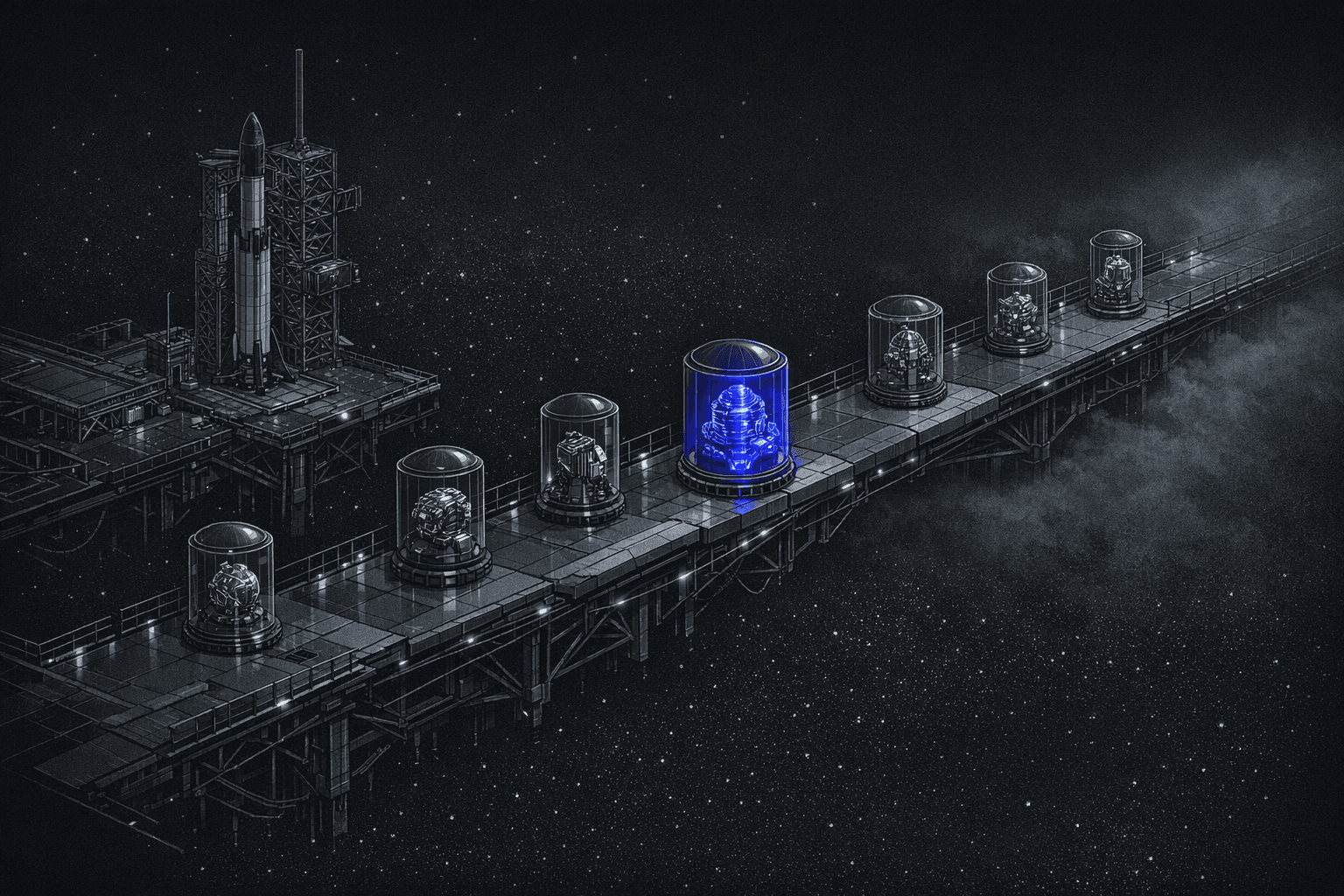
Cursor’s Acquisition by SpaceX Signals Strategic Shift in AI
SpaceX’s recent acquisition of Cursor, an AI platform known for integrating third-party models, signals a calculated move into the sphere of advanced artificial intelligence. Cursor previously offered clients seamless access to models from leading labs, including OpenAI and Anthropic, positioning itself as an open platform focused on flexibility and choice. Now, this acquisition prompts questions about how open Cursor’s ecosystem can remain under SpaceX’s stewardship, especially given the competitive dynamics among top AI labs.
For organizations relying on Cursor’s multi-model capabilities, the implications could be significant. Maintaining access to models across different suppliers remains crucial for flexibility, competitive performance, and avoiding vendor lock-in.
The Value of Multi-Model AI Platforms for Enterprises
In the current AI landscape, platforms like Cursor offer unique advantages by enabling organizations to select the most suitable large language model (LLM) for each use case. Enterprises benefit from combining the strengths of various models—OpenAI’s for coding, Anthropic’s for privacy, or others for domain specificity.
This multi-model approach allows businesses to experiment with new solutions, optimize cost versus performance, and quickly adopt technological advances. For many firms, being locked into a single AI model provider could constrain creativity and innovation, especially as capabilities and risk profiles diverge among vendors.
Potential Roadblocks: Inter-Lab Relationships and Open Access
Cursor’s future as an open platform now hinges on its ability to retain partnerships with other AI developers while being owned by SpaceX, a company with its own innovation and competitive priorities. Complexities arise around licensing, intellectual property, and the strategic interests of rival labs.
AI model developers such as OpenAI and Anthropic might reassess the terms of engagement with Cursor, especially if they perceive SpaceX as a potential competitor or if concerns around data security and proprietary technology arise. These dynamics could affect enterprise users who count on access to diverse state-of-the-art models through a single, unified interface.
Business Implications: Strategic Flexibility and Risk Management
For technology leaders and AI buyers, the situation underlines the importance of ongoing risk management when architecting generative AI solutions. Dependency on a single platform—especially one undergoing significant corporate change—highlights the need for well-developed contingency plans.
Businesses must evaluate how platform ownership affects service continuity, regulatory compliance, and intellectual property protection. An ecosystem that restricts access to certain models could disrupt roadmaps or force costly migrations. Maintaining options, leveraging contractual flexibility, and staying alert to supplier relationships are all prudent tactical moves as the AI market rapidly evolves.
Looking Ahead: Navigating AI Ecosystem Complexity
The intersection of SpaceX’s ambitions and Cursor’s multi-model ethos reflects broader industry shifts. AI adoption strategies are increasingly shaped by issues of access, competition, and shifting alliances between tech giants.
Enterprises seeking robust, future-proof AI deployments should closely monitor these developments. Success will rely on balancing best-of-breed model selection with commercial, strategic, and technical risk considerations in an environment where ecosystems and allegiances can change overnight.
- openai
- anthropic
- spacex
- ai platforms
- enterprise ai
- m&a
Source: Wired AI
Keep reading



Want AI in production at your company?
Tell us about your project: we reply with a free first assessment and the next steps.
Join the Observatory list
Leave your email to hear about new pieces from the Observatory — concise AI analysis from real projects.