
Business
Delivery Robots Stir Protests as Automation Hits Streets
Delivery robots spark real-world protests in Philadelphia, highlighting automation’s impact on jobs and public spaces for businesses and policymakers.
Key takeaways
- Visible automation in public spaces can provoke direct protest and media attention.
- Robot deployments require engagement with community and policymakers, not just tech rollout.
- Public perception of automation directly influences brand reputation and regulatory response.
AI-generated from the cited source and editorially curated by AINEVERSTOPS. Read our editorial policy →
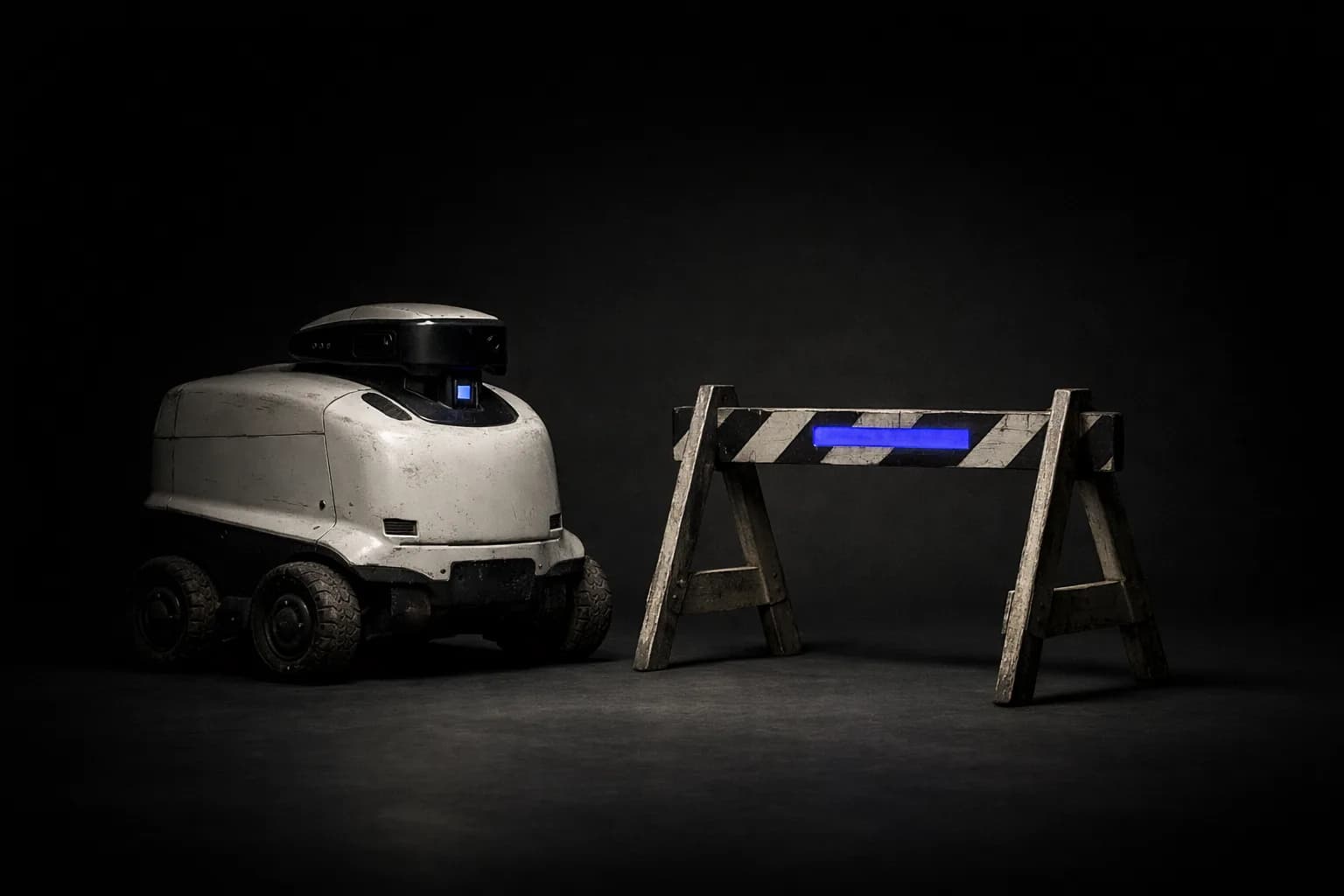
A Sidewalk Standoff: One Woman, One Robot, and a City Street
On a gray Philadelphia afternoon, a small delivery robot trundled along a busy sidewalk, its sensors whirring. But its path was blocked — not by a stray scooter, but by Carolyn Marvin, a protester who stood firm, arms crossed. She refused to budge when asked by police, resulting in her arrest for disorderly conduct. Video of her defiance quickly made the rounds, forcing an uncomfortable question into the open: what happens when automation marches, quite literally, onto public streets?
Automation Moves Beyond Warehouses and Call Centers
Robots, once confined to warehouses or back-of-house logistics, are now on the front lines of city life. In Philadelphia, Uber’s delivery robots have become a familiar sight, quietly ferrying food and goods along sidewalks. For businesses, this shift promises efficiency and reduced labor costs. For workers and local residents, it can feel like a direct challenge to jobs and the nature of public space. Marvin, interviewed by ABC13, said, “I know they're taking the jobs of human delivery workers and so, I have been protesting them whenever I saw them.” Her stance—literally and figuratively—echoes growing unease over visible automation.
Public Backlash: Not Just an Online Debate Anymore
While much of the discussion about automation happens in boardrooms and online forums, Marvin’s protest thrust the debate into the physical world. Her arrest highlights a new phase: automation is no longer just a technical or economic issue, but a social and legal one. Business leaders should take note—deploying robotic services in public spaces can trigger reactions that complicate rollouts, brand perception, and even regulatory interest. Video footage of confrontations spreads fast, making each incident a potential flashpoint for larger debates on jobs and technology.
Why Robot Rollouts Demand More Than Technical Planning
For decision-makers eyeing delivery robots, the Philadelphia incident is a cautionary tale. Introducing automation into city environments isn’t just about logistics—it’s about people, public perception, and local politics. Companies need strategies to address concerns about job loss and urban congestion. Clear communication, engagement with local communities, and collaboration with municipal authorities can preempt resistance and ensure smoother adoption. In the age of viral videos, a single sidewalk standoff can spark city-wide questions about who, or what, belongs in public spaces.
- automation
- delivery robots
- urban policy
- labor impact
- public response
Source: The Verge AI
Keep reading



Want AI in production at your company?
Tell us about your project: we reply with a free first assessment and the next steps.
Join the Observatory list
Leave your email to hear about new pieces from the Observatory — concise AI analysis from real projects.