
Infrastructure
Multi-Account AI Agents with AgentCore Gateway: A Business Blueprint
Multi-account AI agents using AgentCore Gateway enable secure, unified data queries across AWS accounts without duplication, streamlining enterprise data access.
Key takeaways
- AgentCore Gateway lets enterprises keep data in separate AWS accounts while enabling unified AI queries.
- Fine-grained access control and authentication are enforced centrally, reducing security and compliance risk.
- This architecture streamlines maintenance and scalability by decoupling agent logic from data ownership.
AI-generated from the cited source and editorially curated by AINEVERSTOPS. Read our editorial policy →
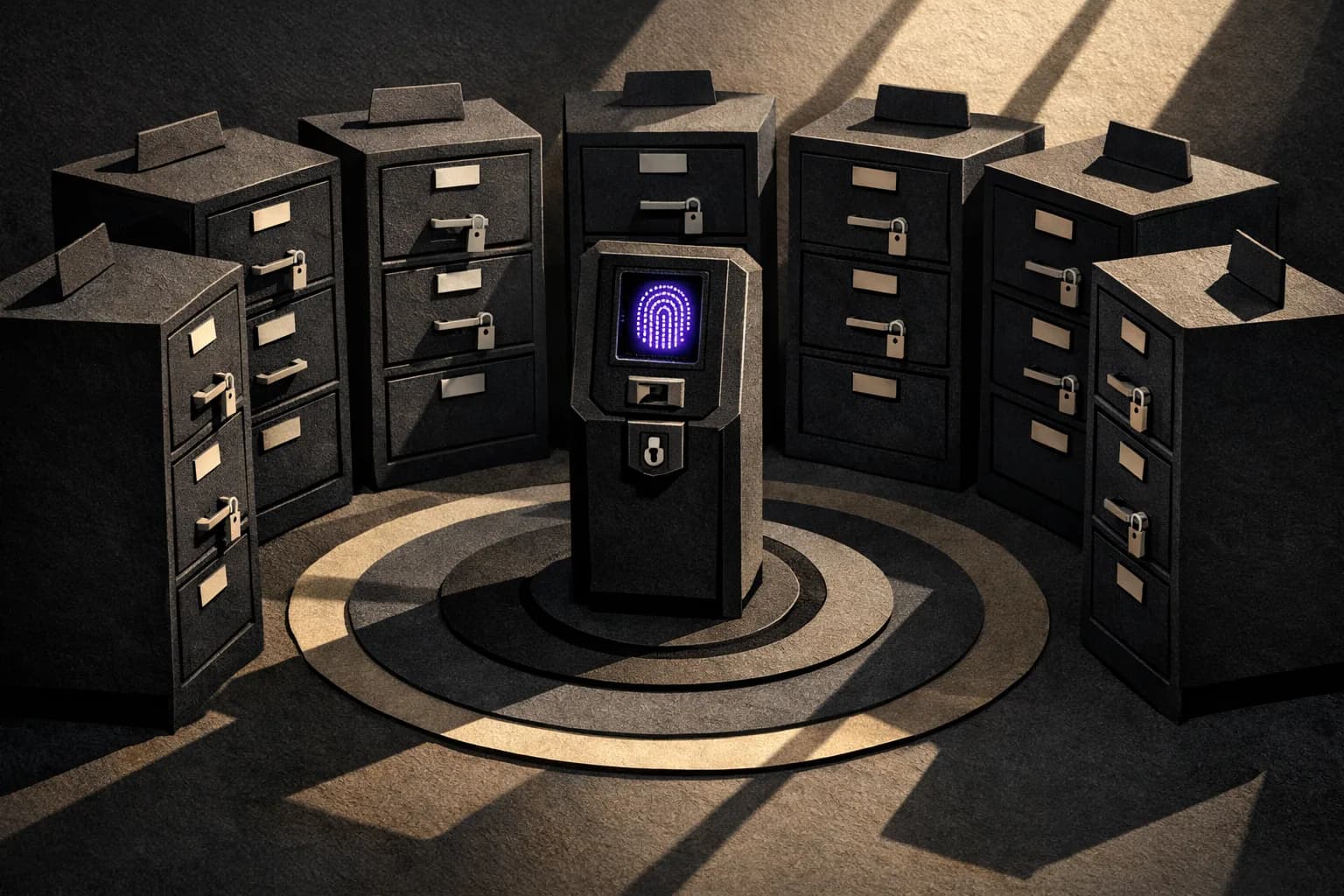
A Morning at a Bank: One Agent, Many Doors
Picture a retail banking agent fielding questions from all corners of the business: a branch manager asks about account balances, while a lending officer needs up-to-date credit scores. Traditionally, these answers come from separate data silos, each owned by a different team, each locked behind its own digital doors. Connecting these dots safely—without copying sensitive data everywhere—has always been a headache. But AWS’s AgentCore Gateway and Model Context Protocol (MCP) now offer a new playbook for enterprises juggling sensitive data across multiple accounts.
Why Multi-Account Matters for Enterprise AI
In large organizations, data sprawls across independent AWS accounts. Each team—whether retail, lending, or compliance—owns its data, maintains control, and moves at its own pace. This autonomy supports clear accountability and agile updates. But it also means AI agents with access to only one slice of the pie can’t deliver holistic insight. Replicating data to break down these silos introduces risk, cost, and compliance headaches. The approach enabled by AgentCore Gateway keeps data where it belongs and allows agents to query precisely what’s needed, on demand. This limits unnecessary data movement and preserves team autonomy, offering a real solution to the classic "centralize or segregate" dilemma.
Architecture: Central Gateway, Distributed Data
The reference setup relies on three layers: a central platform account, distributed line-of-business (LOB) accounts, and the integration layer provided by AgentCore Gateway. The platform account, run by a central team, hosts the agent and manages AI model inference through Amazon Bedrock. All requests route through AgentCore Gateway, which acts as a single endpoint for the agent. LOB teams expose their own data and tools as MCP servers—think of these as secure, custom APIs for each business function—making only specific data available via semantic search and fine-grained controls. With built-in authentication, serverless operation, and session isolation, each team stays in control and can update their MCP toolset independently, as long as the interface remains consistent.
Security and Governance: Fine-Grained by Design
Data security and access control underpin every part of this architecture. Each request from the agent is authenticated by AgentCore Identity using OAuth 2.0 credentials, then routed by the Gateway to the right LOB MCP server. Okta integration and Bedrock Guardrails further harden the setup, ensuring only authorized queries are allowed and content safety checks are applied. Authorization policies can be tailored at the Gateway, letting platform teams set rules at a granular level—who can use which tool, and under what conditions—without embedding security logic into every agent. This separation of duties both streamlines audits and reduces operational complexity.
Business Impact: Unified Insights, Reduced Overhead
For enterprises, the implications are clear: multi-account AI agents eliminate many historical trade-offs. Teams no longer have to duplicate data, risking version drift and compliance lapses, or build brittle, custom integration code. The single Gateway endpoint simplifies observability and billing, and as needs grow, organizations can scale model inference across dedicated accounts, routing requests and enforcing quotas through the same architecture. The end result is a more unified, responsive AI layer—one that respects organizational boundaries but delivers enterprise-wide intelligence when and where it’s needed.
- aws
- agentcore
- multi-account
- enterprise ai
- data governance
- ai agents
Source: AWS Machine Learning Blog
Keep reading


Want AI in production at your company?
Tell us about your project: we reply with a free first assessment and the next steps.
Join the Observatory list
Leave your email to hear about new pieces from the Observatory — concise AI analysis from real projects.