
Models
Open Source AI Models: How Local Agents Are Gaining Steam
Open source AI models and local intelligent agents are making customization easier for businesses. Here’s how the open source shift is changing the enterprise AI landscape.
AI-generated from the cited source and editorially curated by AINEVERSTOPS. Read our editorial policy →
How Open Source AI Models Work on Local Machines
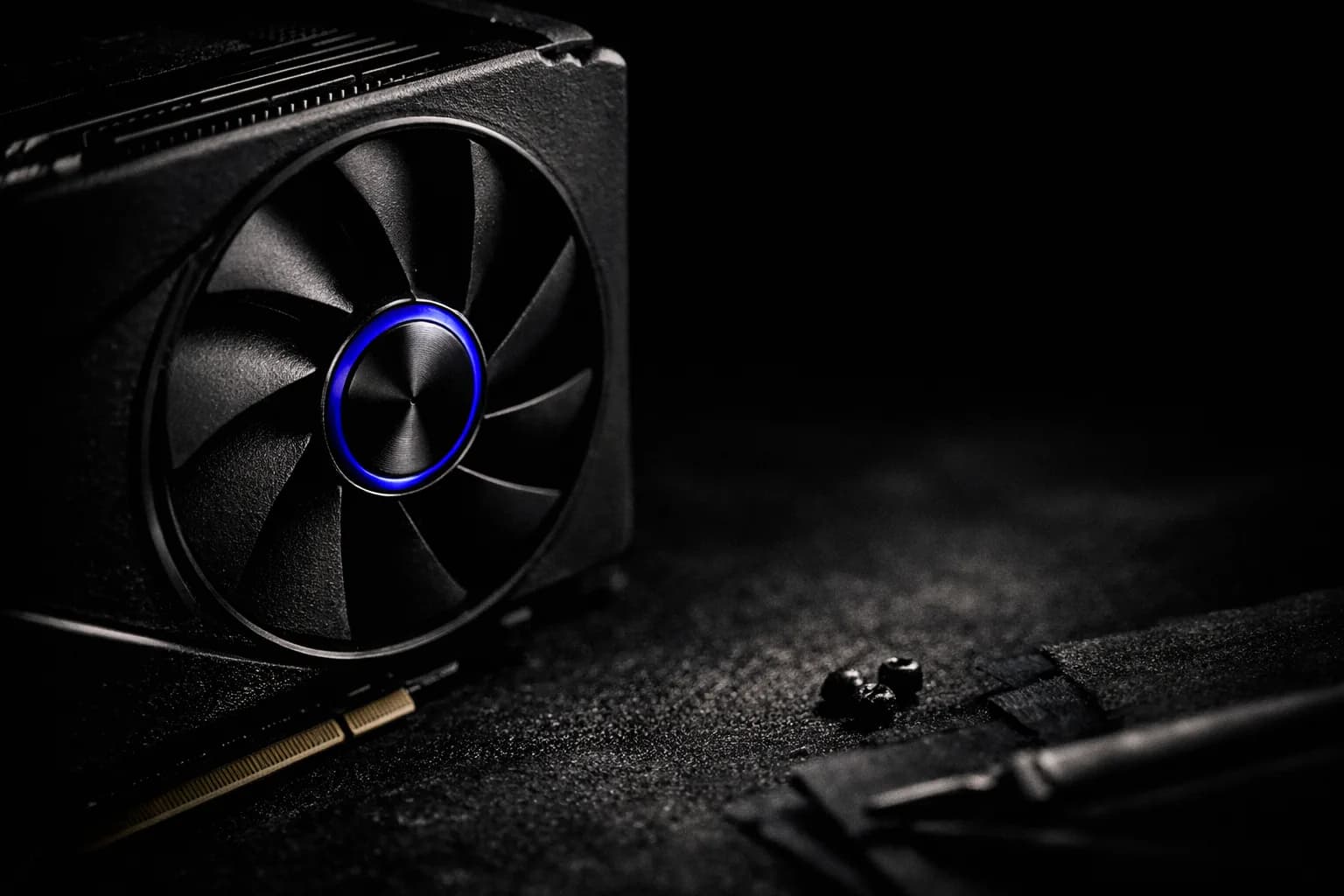
Anyone with a decent graphics card can now run powerful AI models directly on their own hardware, thanks to open source communities and technical advances. Open source large language models (LLMs) are freely released to the public, allowing users to download, modify, and run them without sending data to cloud servers. This setup means businesses and developers can keep data on-site for privacy, tweak models to fit niche requirements, and experiment without vendor lock-in.
Running AI locally has become practical as companies like NVIDIA and independent developers publish models and software optimized for consumer and professional GPUs. This removes cloud dependencies, so even sensitive or regulated industries can benefit from advanced AI without worrying about data leaving their premises.
Benefits for Businesses: Privacy, Customization, and Control
For companies, the move to local, open source AI means more than just cost savings. In sectors where data privacy is paramount—finance, healthcare, legal—keeping information on internal systems removes a major barrier to adoption. Open source models can be adapted to specific vocabularies, workflows, or compliance needs, making them far more attractive than generic, off-the-shelf cloud solutions.
Another practical benefit comes in the form of speed: running models locally eliminates internet latency and cloud throttling. Iteration cycles—training, testing, tweaking—are faster. This agility gives technical teams a head start on competitors still reliant on external APIs.
Growing Ecosystem: Tools and Models From Community and Industry
The ecosystem for local AI is expanding rapidly. NVIDIA, for example, has begun releasing its own set of open models and development tools meant for easy local deployment. These models, along with community-built alternatives, cover everything from language processing to image analysis. The open source model means continual improvements by a global network of contributors, not just one company’s engineers.
Supporting tools now make it easier to fine-tune models, manage deployments, and even build specialized AI agents—software programs that can automate routine tasks like answering customer queries, summarizing documents, or sorting emails. These tools are increasingly user-friendly, making advanced AI accessible to companies with modest technical resources.
Intelligent Agents: From Hype to Practical Productivity
Intelligent agents, once the stuff of research papers, are becoming a daily reality for businesses. With local AI, companies can deploy agents tailored to their unique data and processes. This means not only better accuracy but also less risk of sensitive information leaking to third parties.
The open source community ensures that agents built today can be audited, improved, and adapted as business needs evolve. This flexibility contrasts with black-box commercial solutions, which often limit transparency and adaptability. In the projects we run, we see clients increasingly interested in solutions they can own and adapt, rather than rent from a vendor.
Strategic Implications: Less Vendor Lock-In, More Innovation
The open source and local AI movement reduces reliance on a handful of major cloud providers. For business leaders, this means lower long-term costs, more negotiating power, and a wider pool of talent familiar with open tools. It also creates room for innovation: teams can experiment, test, and scale new applications without waiting on external roadmaps or hitting paywalls.
The trend is clear—open source, local AI is not just a hobbyist’s playground, but a serious business strategy. Companies that invest now in open tools and in-house expertise stand to capture first-mover advantages as AI becomes integral to every workflow.
- open source
- local ai
- intelligent agents
- business ai
- data privacy
Source: NVIDIA Blog
Keep reading



Want AI in production at your company?
Tell us about your project: we reply with a free first assessment and the next steps.
Join the Observatory list
Leave your email to hear about new pieces from the Observatory — concise AI analysis from real projects.