models
Open Source AI Transforms Enterprise Model Access
Open source AI, championed by Hugging Face, is reshaping how enterprises access and deploy models—breaking away from legacy vendor lock-in and siloed development.
AI-generated from the cited source and editorially curated by AINEVERSTOPS. Read our editorial policy →
Vendor Lock-In Gave Enterprises Few Options
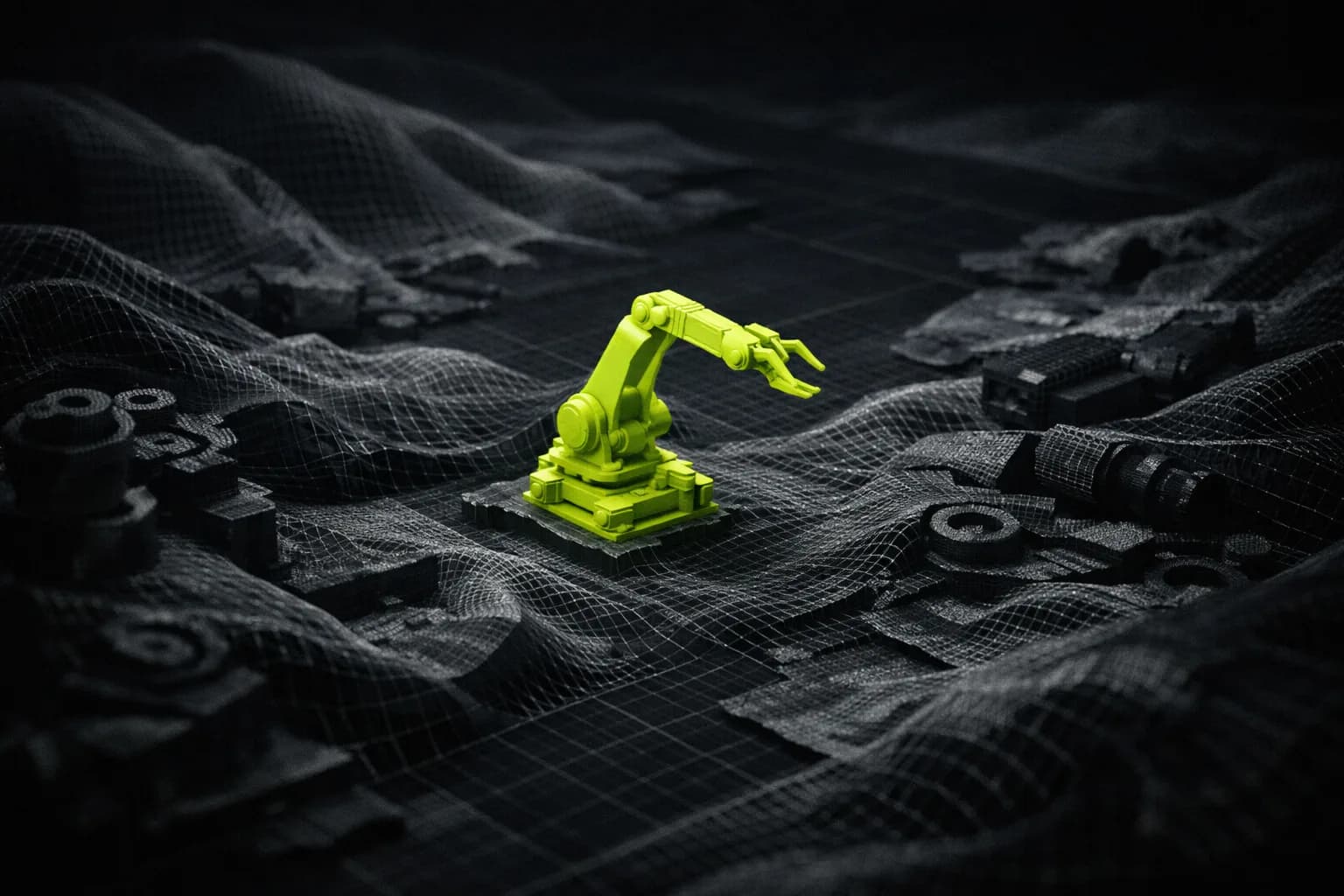
For years, large organizations found themselves boxed in. Enterprise AI mostly meant proprietary software: black-box models, restrictive licenses, limited interoperability. Accessing machine learning meant signing contracts with major vendors, paying for closed-source solutions, and accepting slow update cycles. If a model didn’t fit a specific workflow, tough luck—customization was minimal and innovation slowed by bureaucracy. Even giants with deep pockets often struggled to break free from monolithic tools and vendor-driven roadmaps.
Open Source Platforms Shift the Power Balance
The rise of open source repositories, with Hugging Face at the vanguard, has flipped this dynamic. Instead of waiting for a vendor to ship the next update, technical teams now browse a vast catalogue of pretrained models and datasets from a global developer community. These aren’t side projects—they’re increasingly the backbone for AI in half the Fortune 500. Platform access is instant, licensing is clear, and test-driving different approaches takes hours instead of quarters. Teams can fork, fine-tune, and productionize models at their own pace. The power has shifted from a handful of enterprise software vendors to the collective momentum of thousands of engineers and researchers.
Collaboration Over Siloed Development
Previously, sharing AI models or knowledge meant cumbersome paperwork and lengthy NDAs, even among partners. Now, open source platforms foster open collaboration. Teams in different companies—or even different continents—can co-develop, audit, and critique the same model using shared infrastructure. This transparency dramatically shortens the feedback loop between research and production. Open source brings peer review to the heart of enterprise AI: bugs are found faster, biases surface sooner, and fixes propagate instantly across organizations.
Business Impact: Agility and Lower Barriers to Entry
For businesses, these changes cut costs and slash time-to-market. Instead of building models from scratch or waiting on vendors to patch security holes, companies remix proven open source components. Smaller teams can innovate alongside industry giants, since access to high-quality models is no longer a privilege reserved for the few. In consulting projects, we’ve seen firms shave months off delivery timelines simply by adapting open source models tailored to their sector’s data. Strategic decisions now hinge less on vendor promises and more on in-house creativity and technical fluency.
What Changes for Enterprise AI Strategy Now?
The open source AI wave isn’t just a technical shift—it’s a cultural one. CIOs and CTOs now hire with community participation in mind, assessing a candidate’s open source contributions as closely as their resume. Procurement teams reconsider their risk calculus, balancing the perceived safety of established vendors against the adaptability of open models. Ultimately, enterprises have more agency: they can experiment, deploy, and iterate at the speed of the open source community, rather than waiting for the next product cycle.
- open source ai
- hugging face
- enterprise ai
- ai models
- collaboration
- vendor lock-in
Source: TechCrunch AI
Keep reading

Want AI in production at your company?
Tell us about your project: we reply with a free first assessment and the next steps.
Join the Observatory list
Leave your email to hear about new pieces from the Observatory — concise AI analysis from real projects.