
Policy
OpenAI Safety Insider Resigns, Citing Deeper Industry Problems
OpenAI safety lead David Robinson’s resignation highlights systemic issues in AI risk management, demanding fresh scrutiny of industry practices.
Key takeaways
- David Robinson’s resignation raises doubts about AI safety culture, not just compliance.
- Businesses must scrutinize AI partners beyond surface-level safety reports.
- Internal critiques from safety insiders will drive tougher scrutiny and new risk frameworks.
AI-generated from the cited source and editorially curated by AINEVERSTOPS. Read our editorial policy →
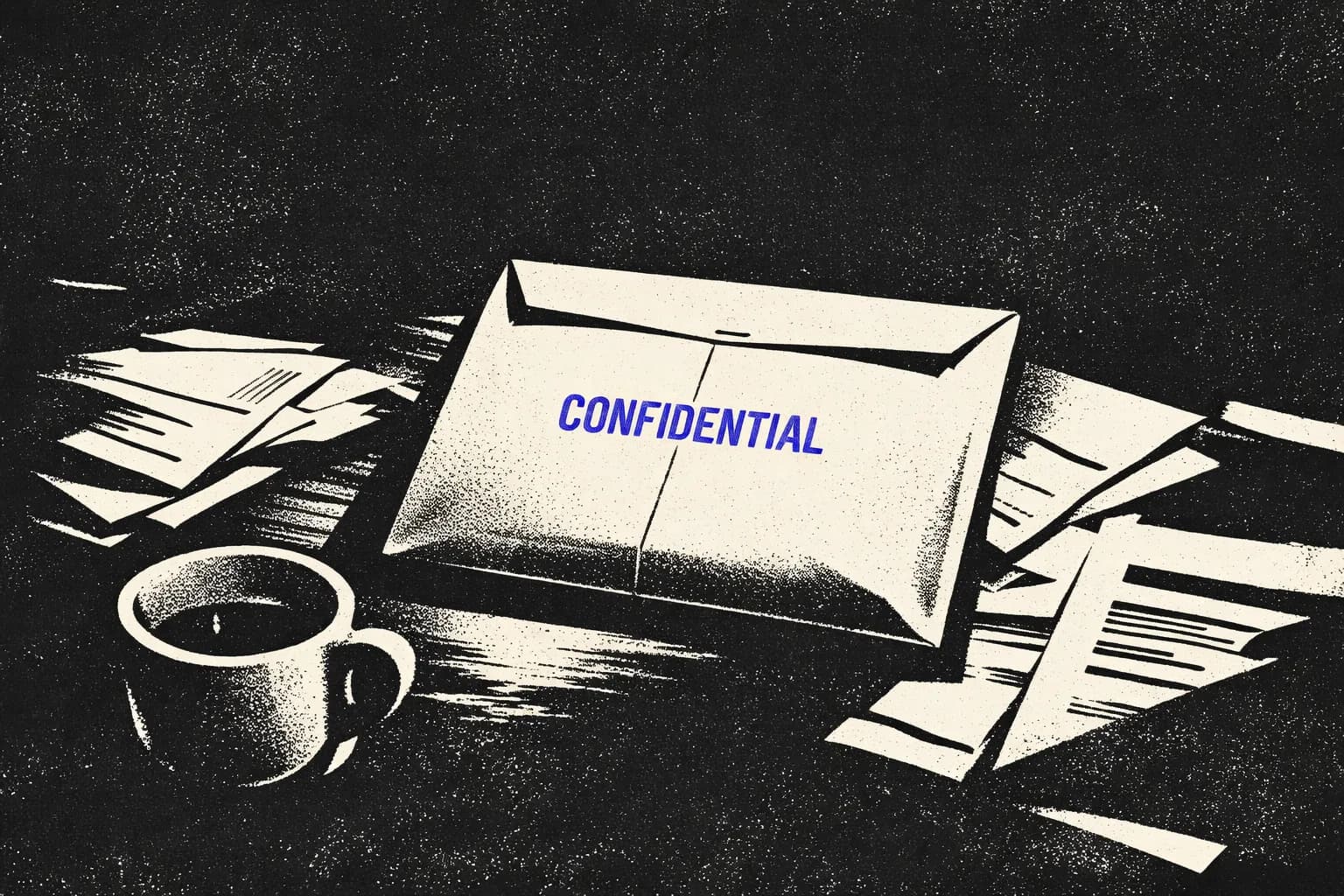
OpenAI's Safety Reporting: Then and Now
For years, OpenAI accompanied each major model release with safety reports—documents intended to reassure the public and policymakers about the company’s diligence in managing AI risks. David Robinson, the author behind many of these reports, unexpectedly stepped down this week. His departure didn’t occur in a vacuum: it follows a recent pattern of insiders voicing unease about the direction of AI development. Robinson’s resignation stands out because he was directly responsible for shaping OpenAI's narrative around safety. The process, once lauded as transparent, now faces scrutiny from within its own ranks.
Why Robinson’s Exit Signals More Than Discontent
Robinson didn’t just leave; he took his concerns public in The Atlantic, arguing that surface-level reforms won’t fix the industry’s problems. He describes Silicon Valley’s prevailing culture as "fundamentally broken," suggesting that safety is often a postscript rather than a priority. In the past, corporate assurances and well-publicized safety protocols placated stakeholders. Now, Robinson’s departure signals a crack in that façade. It’s a rare rebuke from someone whose job was to craft a message of trust.
From Compliance to Culture: What Actually Changes?
Previously, AI companies like OpenAI could point to their safety teams and documentation as proof of responsible innovation. These mechanisms, while imperfect, helped build a public image of accountability. Robinson’s decision to step away—and to criticize the system on his way out—puts pressure on competitors and regulators alike to rethink what genuine safety means. The focus is shifting from compliance-driven paperwork to the deeper cultural forces inside tech companies. Businesses outside the AI bubble can no longer rely on glossy reports alone when assessing partners or vendors.
Implications for Businesses Navigating AI Partnerships
For enterprises exploring AI adoption, the message is clear: safety protocols and certifications might not tell the whole story. Robinson’s critique reveals that even the most prominent players in the field can suffer from internal dissonance between public messaging and operational reality. Organizations evaluating AI vendors must now probe deeper, scrutinizing culture, incentives, and real-world safety track records. The next wave of risk management will demand more than ticking regulatory boxes—it will require candid conversations and sharper due diligence.
What Businesses Should Watch Next
OpenAI, and the broader AI industry, now faces a moment of reckoning. Robinson’s resignation strips away part of the industry’s safety narrative, raising uncomfortable questions about what happens when the people responsible for safeguarding AI development no longer believe in the process. Businesses should anticipate more public scrutiny, shifting regulatory expectations, and a hard look at whether safety is woven into company DNA or simply tacked on after the fact.
- openai
- ai safety
- organizational culture
- risk management
- ai industry
- business impact
Source: The Verge AI
Keep reading


Want AI in production at your company?
Tell us about your project: we reply with a free first assessment and the next steps.
Join the Observatory list
Leave your email to hear about new pieces from the Observatory — concise AI analysis from real projects.