
Models
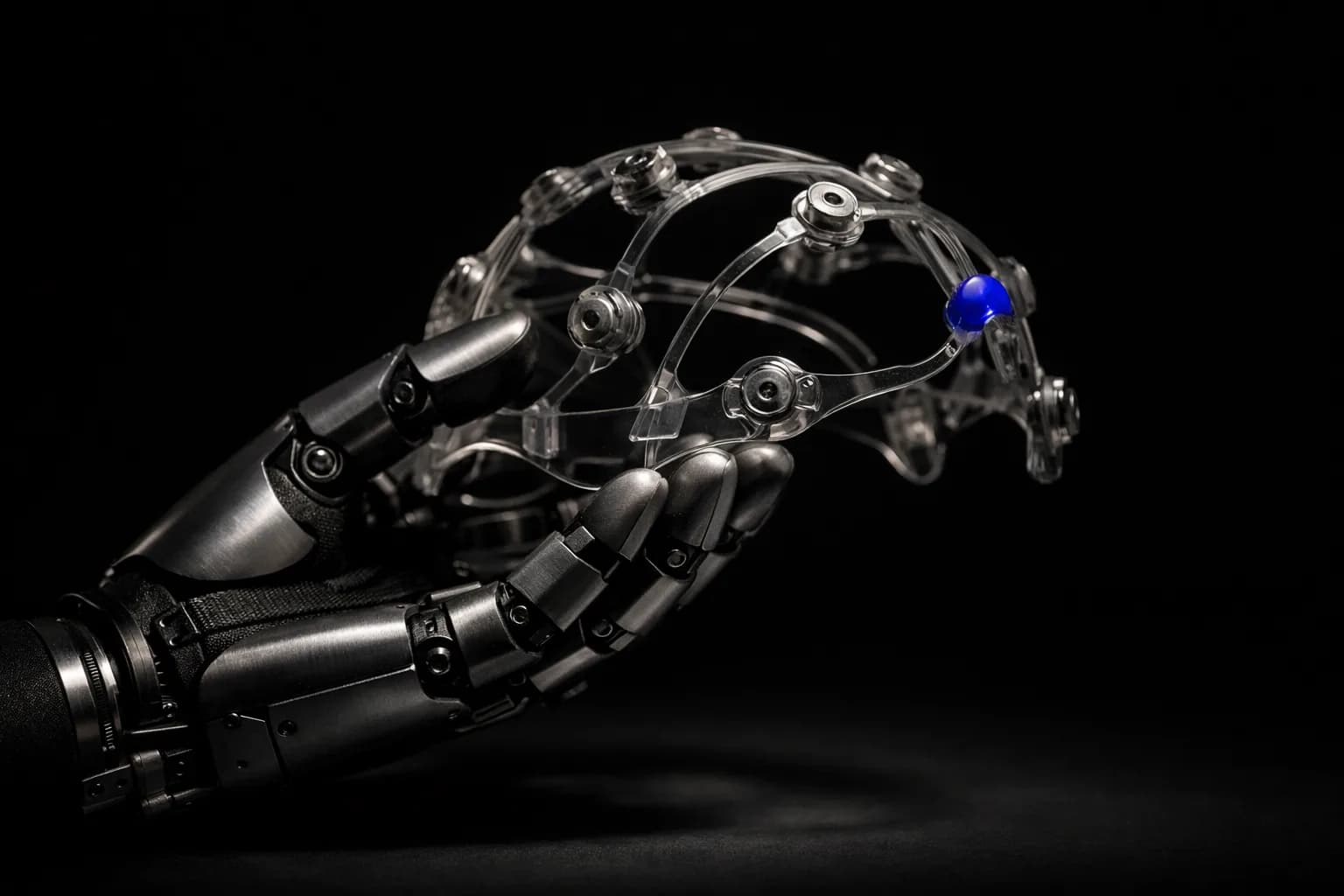
Physical AI Models: Brain Waves Move Beyond Cameras
Physical AI models now demand multi-angle video, deep annotation, and soon, brain wave data—reshaping how businesses train intelligent systems.
AI-generated from the cited source and editorially curated by AINEVERSTOPS. Read our editorial policy →
How Physical AI Models Learn From the World
Training AI to interact with the physical world—think robots that can fold laundry or drones navigating cluttered warehouses—demands more than just watching YouTube clips. Standard video, captured from a single point of view, falls short. These models need a richer perspective: multiple camera angles for every action, detailed step-by-step annotations, and granular context about objects and human intent.
Annotation isn’t just labeling objects. It means spelling out the difference between a gentle grip and a firm squeeze, or distinguishing whether someone is reaching for a cup to drink or to clean. This flood of data shapes how AI systems understand nuance and context, crucial for real-world reliability.
The Push for Multimodal Data: Cameras Alone Don’t Cut It
Most physical AI systems today are trained on visual data—lots of it. But reality is messy. Shadows, obstructions, and ambiguous hand movements limit what models can interpret from even the most exhaustive video libraries.
Researchers are now layering in other signals. Audio, force sensors, and motion trackers all help paint a more complete picture. But there’s a new frontier on the table: physiological data, especially brain wave readings. By capturing the neural patterns behind human intent, AI could gain a window into not just what someone is doing, but why. That extra context could fill gaps left by cameras and sensors.
Brain Wave Data: The Next Step in Physical AI Training
Electroencephalography (EEG) picks up brain activity in real time. Until recently, it was a tool for neuroscientists, not robot trainers. But by pairing brain wave readings with annotated physical demonstrations, researchers believe they can teach AI models the invisible decision-making behind every movement.
For example, if a person hesitates before picking up a delicate object, the brain’s electrical signals might reveal caution or uncertainty—states that cameras simply can’t see. Feeding this data into AI training routines could make future models more adaptable and, crucially, safer in unpredictable environments.
Business Implications: Data Demands and Competitive Stakes
For businesses eyeing physical AI—factories, logistics, healthcare, consumer robotics—the appetite for data just got more voracious. Multi-angle video rigs, sensor arrays, and soon, brain wave headsets mean higher costs, bigger data pipelines, and greater complexity in model training workflows.
The upside? AI models shaped by these richer datasets should perform better at nuanced, safety-critical tasks. Early adopters willing to invest in complex data-gathering setups may carve out a crucial lead. In our consultancy work, we already see clients budgeting for multimodal data collection, not just extra compute.
But there are new hurdles: privacy concerns around neural data, specialized talent to annotate and interpret this information, and the challenge of integrating brain-derived signals with existing sensor stacks. Businesses that get this mix right stand to define the next generation of intelligent machines.
What to Watch: Shifting from Vision to Intention
The shift from pure vision-based training to intention-aware AI is underway. As brain wave data moves from the lab to industry pilots, the narrative is changing: success will depend less on the quantity of video and more on the quality and depth of context.
Businesses that understand this shift—and act early—may find themselves with AI systems capable of more natural, reliable, and safe physical interactions. The arms race isn’t just for better sensors, but for deeper insight into human intent.
- physical ai
- brain waves
- multimodal data
- robotics
- ai training
- business strategy
Source: TechCrunch AI
Keep reading


Want AI in production at your company?
Tell us about your project: we reply with a free first assessment and the next steps.
Join the Observatory list
Leave your email to hear about new pieces from the Observatory — concise AI analysis from real projects.