
Energy
Underground Hydrogen: Separating Hope from Hype
Underground hydrogen exploration is grabbing headlines as a clean fuel breakthrough, but businesses should scrutinize the real opportunities and risks behind the buzz.
AI-generated from the cited source and editorially curated by AINEVERSTOPS. Read our editorial policy →
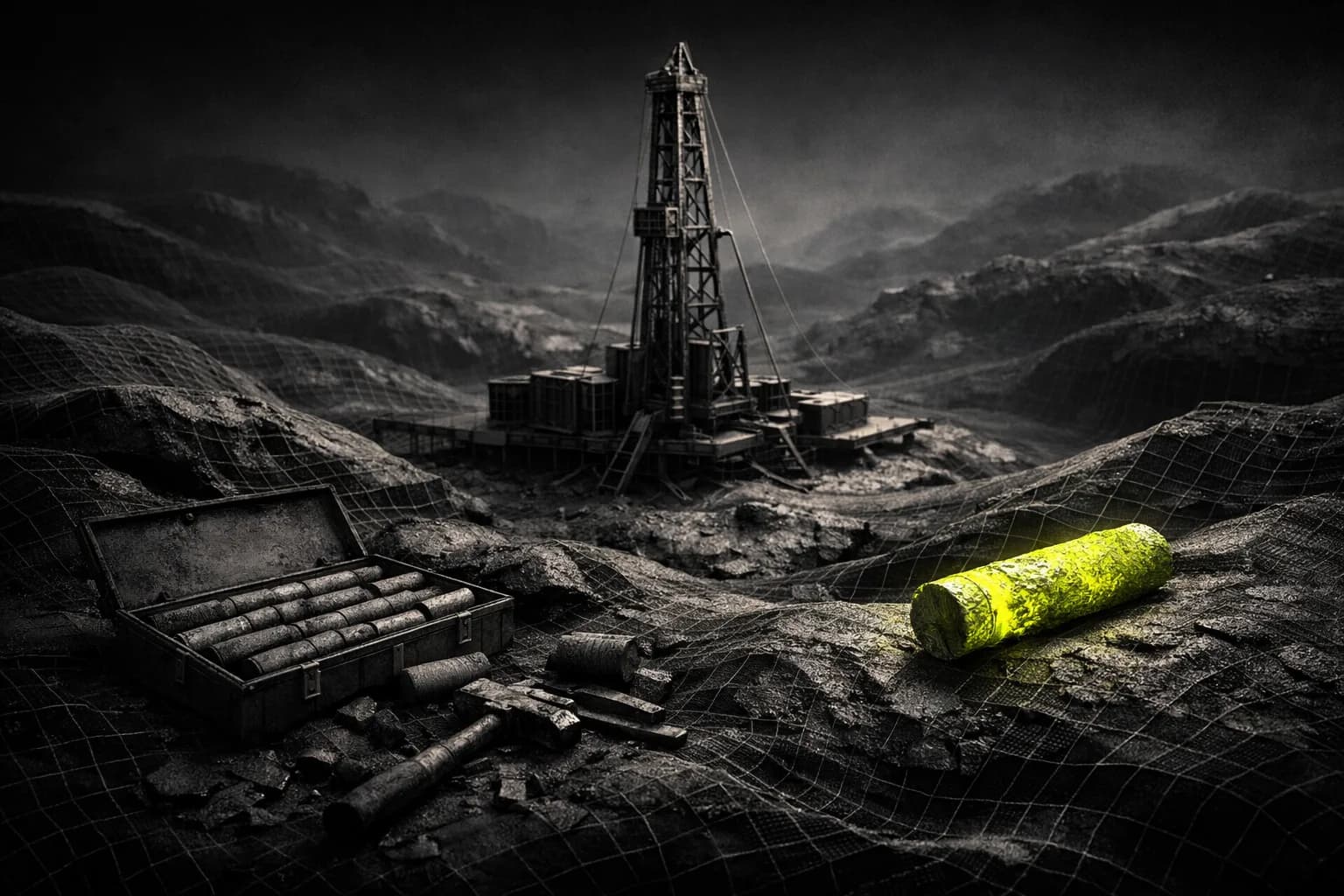
Underground hydrogen: The new gold rush or costly distraction?
Hydrogen, long hailed as a clean energy darling, has found itself in the crosshairs of a different kind of prospecting. Explorers are now combing the earth for naturally occurring underground hydrogen. The idea? Tap vast, untouched reserves to fuel everything from heavy industry to cross-country trucks—without the emissions baggage of fossil fuels.
Yet the search itself is speculative. Unlike oil and gas, there’s scant historical precedent for large-scale hydrogen extraction. Drillers are mapping, sampling, and theorizing, but commercial quantities remain elusive. Geologically, hydrogen seeps have been discovered, but the jury’s still out on whether these pockets are abundant, accessible, or economical to extract. For businesses eyeing the hydrogen market, the uncertainty is as much in the rocks as in the regulatory and infrastructure landscape.
Zero-carbon promise meets real-world engineering limits
The appeal of underground hydrogen rests on its theoretical zero-carbon status. If it pans out, it could sidestep the high emissions of conventional hydrogen made from methane or the steep costs and inefficiencies of ‘green’ hydrogen electrolyzed from water.
But extracting and delivering hydrogen safely, at scale, isn’t straightforward. The gas is notoriously tricky—leaky, energy-dense, and eager to escape containment. Unlike oil, hydrogen’s molecular slipperiness raises issues for storage, transport, and pipeline integrity. Companies will have to weigh up not only the costs of extraction, but also the risk profile: fugitive emissions, potential explosions, and the need for novel infrastructure. In the projects we run, we see hydrogen’s challenge is rarely just chemistry—it’s the entire ecosystem of risk, compliance, and insurance.
Hype cycle dynamics: Investors and startups rush in
Venture capital and startup activity is in full swing, echoing the heady days of early shale gas. Pitch decks are flush with optimism about vast, untapped hydrogen reserves and their role in net-zero strategies. Governments dangle incentives, hoping a hydrogen economy will future-proof jobs and supply chains.
But if the last decade of cleantech has taught us anything, it’s that geological optimism doesn’t always translate to commercial success. Projects often stumble over permitting delays, technical surprises underground, or simply the grim math of market prices. Businesses considering partnerships or supply deals around underground hydrogen should parse between glossy projections and pilot-tested results.
Implications for energy transition strategies
For energy buyers and industrial users, underground hydrogen is an alluring wildcard—but not a bankable supply source just yet. Firms betting big on hydrogen for decarbonization should treat underground finds as a speculative upside, not a foundation.
Even if large deposits are confirmed, it will take years for infrastructure and regulation to catch up. Strategic planners need to balance hydrogen’s potential with more mature decarbonization options. That means scrutinizing hydrogen supply chains, staying alert to regulatory changes, and maintaining realistic timelines for adoption.
What businesses should monitor next
The story of underground hydrogen will play out over geological timescales—measured in years, not quarters. Key indicators for business: meaningful production pilots, advances in safe transport, and clear regulatory pathways. The biggest risk isn’t that underground hydrogen doesn’t exist—it’s that it remains too expensive or uncertain to commercialize at scale.
For now, hydrogen’s underground promise is as much about brand positioning and investor confidence as molecules in a well. Smart companies will watch, but not bet the farm.
- hydrogen
- energy
- clean tech
- business strategy
- risk analysis
- sustainability
Source: MIT Technology Review
Keep reading



Want AI in production at your company?
Tell us about your project: we reply with a free first assessment and the next steps.
Join the Observatory list
Leave your email to hear about new pieces from the Observatory — concise AI analysis from real projects.