
Models
Apple Siri AI Audio Intelligence: Privacy Shifts and New Norms
Apple Siri AI Audio Intelligence brings advanced features like Recap and ambient listening while pledging strong privacy. How does this reshape business and user trust?
AI-generated from the cited source and editorially curated by AINEVERSTOPS. Read our editorial policy →
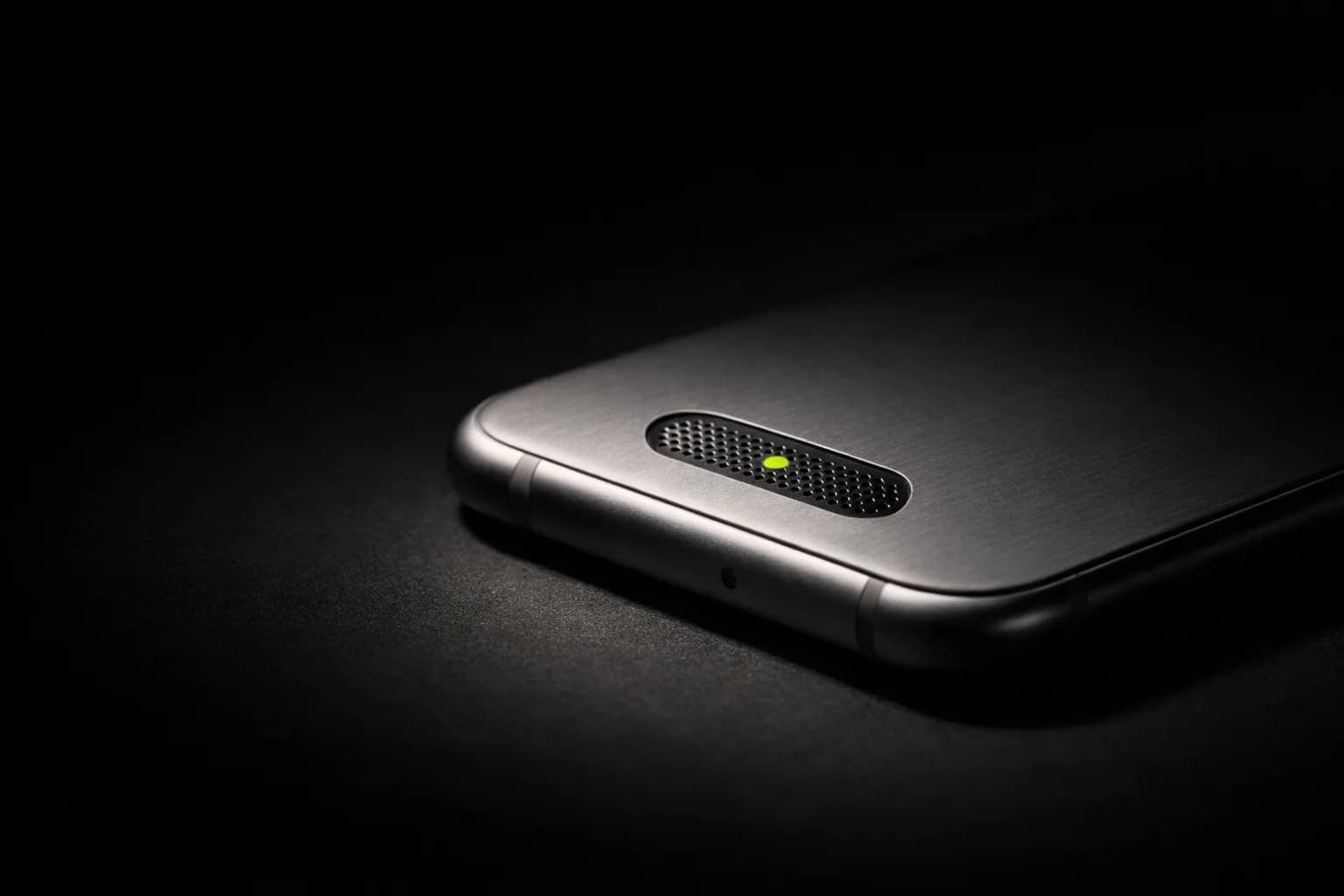
Apple’s Siri AI Audio Intelligence: What’s Actually New?
Siri’s latest upgrade isn’t just another voice assistant tweak. Apple is rolling out features like Siri Recap, Live Rewind, Sound Recognition, and Music Recognition. Instead of simply performing set voice commands, Siri now offers tools to summarize conversations, replay snippets of audio, identify environmental sounds, and recognize music in real time. This step transforms Siri from a reactive assistant to an ongoing, context-aware AI presence in your pocket or on your desk.
These aren’t frivolous capabilities: businesses could see productivity gains, users get more personal context, and accessibility jumps forward. Siri’s ability to “listen” more continuously opens the door for automation, reminders, or safety alerts that trigger based on real-world sounds, not just what’s on your calendar.
How Siri Worked Yesterday: A More Passive Gatekeeper
Before this overhaul, Siri operated on a strict request-response model. The microphone only became active when you invoked the wake phrase or pressed a button. Audio snippets were processed and, in most cases, discarded quickly—with privacy protection a clear priority, but at the expense of deeper context or ongoing assistance.
This design meant Siri was, by default, a passive observer. It responded, but did not anticipate or proactively assist based on ambient sound. Businesses looking to integrate Siri for workflow or safety monitoring were limited; ambient sound was invisible to the AI.
Ambient Listening Meets Privacy by Design
Ambient listening raises eyebrows—rightly so. Apple’s new documentation details how raw audio from these features is mostly processed on-device, not shipped off to remote servers. The company promises that only data needed for the immediate function leaves your phone, and even then, it’s stripped of personal identifiers whenever possible. Continuous listening, for features like Sound Recognition, runs locally to spot emergencies or context shifts without exposing the stream to cloud scrutiny.
This marks a sharp distinction from some older smart assistant models, where audio could be stored for future analysis or user profiling. Apple’s approach cements privacy as a competitive differentiator. But it also signals a new trust contract: users must believe that their devices are truly respecting these boundaries, even as the AI’s presence becomes more constant.
Business Implications: Trust, Access, and Compliance
For organizations, this matters on multiple fronts. Employees using company-issued devices gain smarter assistants without as much privacy risk, which can help IT departments justify broader deployment. Accessibility tools powered by ambient listening can open new ways to support workers with disabilities, while features like Sound Recognition could automate safety alerts or workplace reminders.
But compliance teams still need to kick the tires. Even with on-device processing, clear policies around consent, data retention, and auditability are essential—especially in regulated sectors like healthcare or finance. Apple’s technical safeguards reduce risk, but they don’t erase the need for process discipline and informed user consent.
Changing Norms: From Passive to Proactive Digital Assistants
With Siri’s shift to ambient intelligence, the baseline expectation for digital assistants is changing. The days of pressing a button and waiting for help are giving way to AI that can detect, suggest, and intervene based on nuanced context cues. That’s a powerful shift, but it comes with new responsibilities. For businesses, it’s an opportunity to reimagine workflows and accessibility. For users, it’s a reminder to review privacy settings and weigh the value of proactive help against the ever-present digital ear.
- apple
- voice assistants
- privacy
- audio recognition
- ai features
- user trust
Source: The Verge AI
Keep reading



Want AI in production at your company?
Tell us about your project: we reply with a free first assessment and the next steps.
Join the Observatory list
Leave your email to hear about new pieces from the Observatory — concise AI analysis from real projects.