
Policy
Apple vs OpenAI Lawsuit: Corporate Espionage or Theater?
Apple's lawsuit against OpenAI alleges hardware prototype spying and confidential data theft. We untangle the facts, hype, and real risks for businesses.
AI-generated from the cited source and editorially curated by AINEVERSTOPS. Read our editorial policy →
Apple’s Allegations: Hardware Secrets in the Spotlight
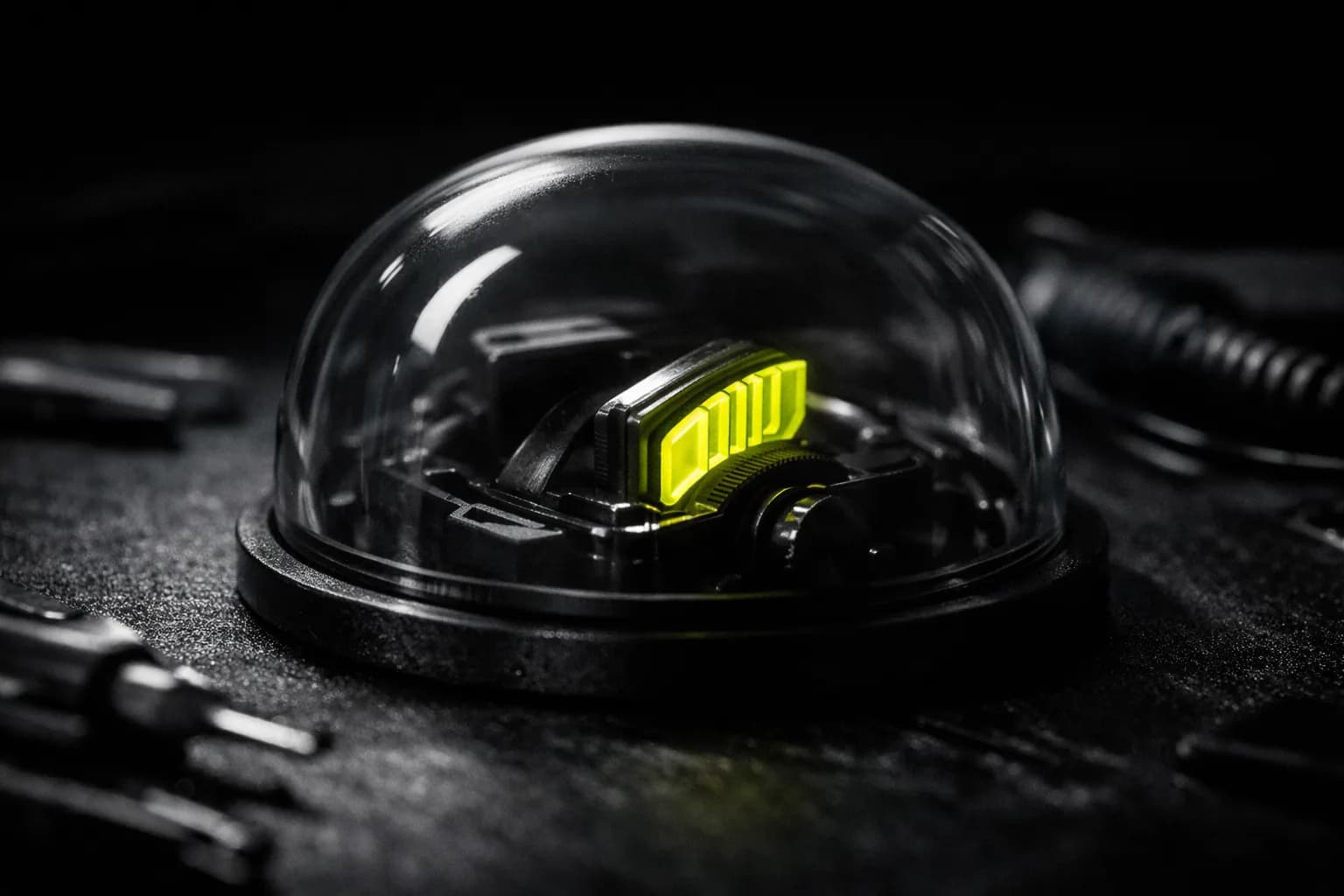
Apple’s lawsuit doesn’t mince words: the company claims OpenAI actively sought out confidential designs and even unreleased physical components from Apple employees. Allegedly, OpenAI’s hardware lead told Apple interviewees to bring prototype parts to job interviews—an eyebrow-raising tactic that, if true, breaks every rule in the corporate playbook. The suit accuses OpenAI of orchestrating a targeted campaign to lift Apple’s most sensitive R&D, not just poaching talent. For a company as secretive as Apple, this reads less like normal Silicon Valley jockeying and more like a Cold War thriller.
Business leaders should pay attention to the specifics here: the allegations go beyond generic fears about trade secrets. Apple is suggesting its hardware IP, not just software or models, could have walked out the door. For any tech firm relying on physical innovation, the risk isn’t only digital—hardware leaks can cripple years of development.
Separating Legal Posturing from Plausible Threats
It’s tempting to view every high-profile tech lawsuit as saber-rattling, but Apple’s claim about prototype smuggling is unusually concrete. Still, courts rarely see allegations this theatrical translate directly into verdicts. Companies often paint their rivals as shadowy villains to strengthen their legal hand and sway public perception. Many such claims evaporate under cross-examination and discovery.
What’s real here? Poaching staff from rivals is common, and sometimes, so are attempts to elicit background knowledge. But requesting actual unreleased hardware at an interview veers into risk territory few companies dare. Whether that happened, or if this is Apple laying groundwork for a stronger negotiating position, remains to be seen. The signal for leaders: talent moves are routine, but mishandling physical IP can trigger far more than a slap on the wrist.
The Business Playbook: Safeguarding Prototypes and Know-How
In the projects we run, we’ve seen hardware and AI expertise bleed between companies—sometimes with little more than an NDA as guardrail. Apple’s suit raises the stakes, suggesting that mere contractual protections may be too flimsy when competitors are aggressive. Physical controls, audit trails for prototype access, and real-time employee monitoring during transition periods are now table stakes for any business developing tangible IP.
Even if OpenAI’s alleged tactics sound outlandish, every leadership team should stress test their own defenses. Are prototype labs truly locked down? Do offboarding protocols ensure no physical components change hands? The cost of complacency is clear: prolonged litigation, reputational damage, and lost competitive edge.
Hype vs. Reality: Is This the New Normal for AI Hardware?
Some pundits will frame this lawsuit as proof that AI hardware is the next battleground, with espionage as the default tactic. That’s hyperbole. Most AI hardware advances come from years of research, not illicit sample-swapping. Still, as more AI firms build custom chips and edge devices, the value attached to physical prototypes will only climb—and so will the incentive for leaks or theft.
Smart businesses won’t panic, but they will shift their security mindset. The line between employee expertise and proprietary physical assets has never been thinner. When your next hire walks in the door, you’d better be sure what’s in their briefcase.
- apple
- openai
- lawsuit
- hardware security
- intellectual property
- corporate espionage
Source: The Verge AI
Keep reading
Want AI in production at your company?
Tell us about your project: we reply with a free first assessment and the next steps.
Join the Observatory list
Leave your email to hear about new pieces from the Observatory — concise AI analysis from real projects.