
Policy
Drones and Robots: U.S. Barriers Challenge Business Leaders
U.S. restrictions on foreign drones and robots put business leaders at a crossroads: adapt supply chains or risk falling behind in global automation.
AI-generated from the cited source and editorially curated by AINEVERSTOPS. Read our editorial policy →
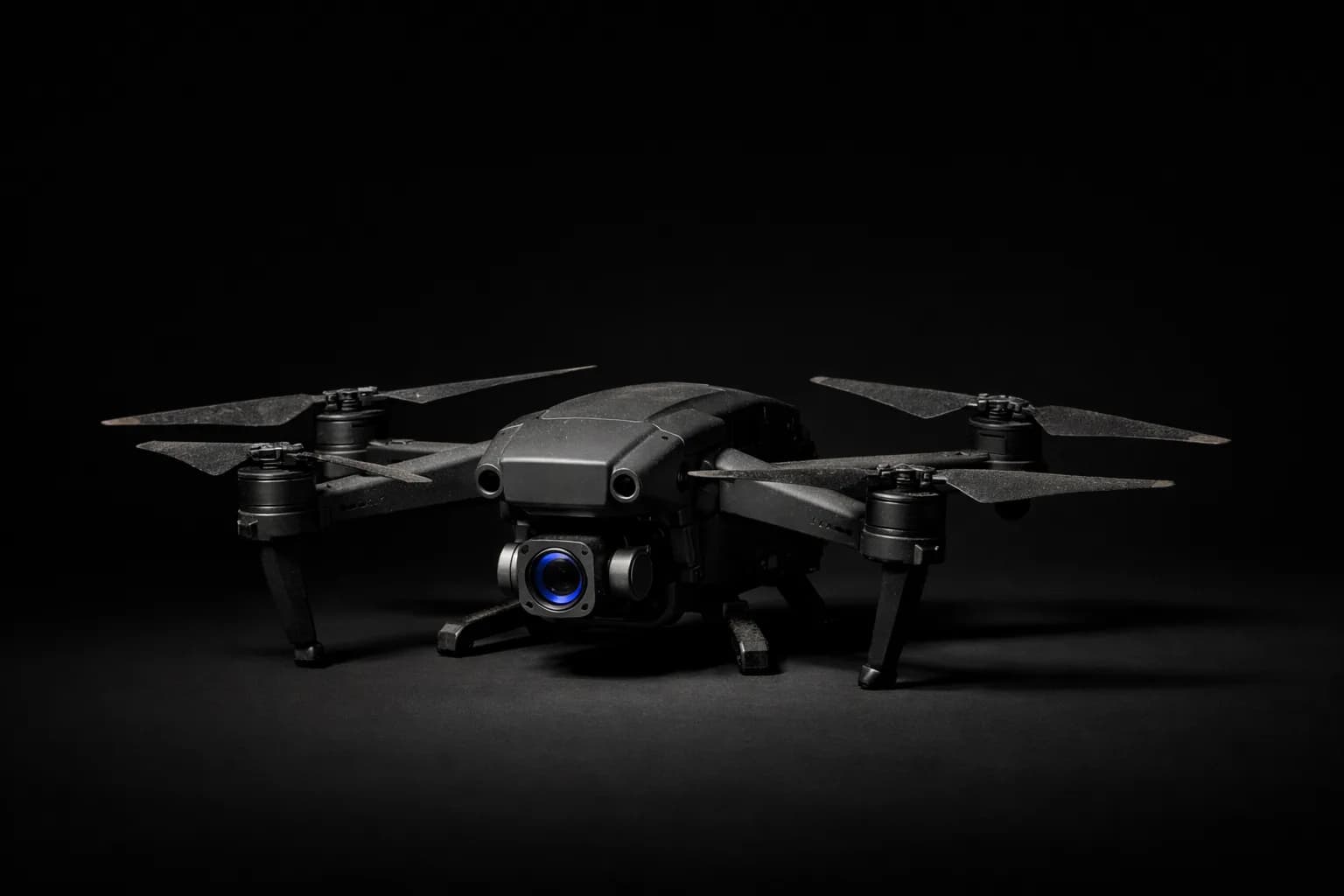
New U.S. Restrictions on Foreign Drones and Robotics Imports
Washington has tightened its grip on the import of foreign—especially Chinese—drones and robotics hardware. The stated rationale: national security, data privacy, and economic resilience. For business leaders, this isn’t an abstract policy debate. Companies that rely on affordable, feature-rich robotics now face supply bottlenecks, restricted sourcing options, and compliance headaches. Sectors like construction, logistics, and agriculture, which have rapidly integrated drones and robots to streamline operations, now confront unexpected procurement puzzles.
China’s Industrial Scale Shifts the Global Playing Field
While the U.S. clamps down, China’s manufacturing machine continues to hum. With unmatched scale, Chinese suppliers can flood markets across Asia, Africa, and Latin America—regions less encumbered by American trade policies. The upshot: U.S. restrictions may shift the center of gravity for drone and robotics innovation and deployment. For American firms eyeing international expansion, this shift complicates both competitive strategy and supply chain planning. The global standard for hardware could increasingly reflect Chinese platforms, not American ones.
Procurement Complexity and the Supply Chain Risk Equation
Business leaders must now rethink sourcing strategies. Dependence on a single geography—or, worse, a single manufacturer—exposes companies to risk. Even those who do not import directly from China may find alternative suppliers squeezed by upstream shortages or price hikes. The cost advantage that once made Chinese drones irresistible is now counterbalanced by regulatory scrutiny and uncertainty. Some firms are accelerating relationships with North American and European robotics vendors, but these suppliers often lack the scale, features, or price points demanded by legacy contracts.
Automation Timelines and ROI Under Pressure
Tighter restrictions mean that some automation projects will slow or stall. For operations managers, this isn’t just a hardware dilemma—it’s a challenge to project timelines, budgets, and ultimately, return on investment. In our client work, we’ve seen warehouses rethinking robotics rollouts, and logistics teams scrambling to replace drones used for inventory and inspection. Fears of being leapfrogged by international competitors now run alongside concerns about compliance and reliability.
What Business Leaders Need to Decide Next
The strategic decision: double down on domestic suppliers and accept higher costs and slower innovation cycles, or find creative ways to maintain flexibility—through joint ventures, custom hardware development, or limited exceptions for select devices. Some are considering hybrid fleets, mixing approved U.S. systems with legacy foreign hardware for as long as possible. Others are investing in software and services that aren’t tethered to a single hardware platform, aiming for some insulation from policy shifts. There’s no universal answer—but ignoring these changes is an invitation to operational risk.
- drones
- robotics
- china
- supply chain
- automation
- business strategy
Source: TechCrunch AI
Keep reading



Want AI in production at your company?
Tell us about your project: we reply with a free first assessment and the next steps.
Join the Observatory list
Leave your email to hear about new pieces from the Observatory — concise AI analysis from real projects.