
Agents
Meta Muse AI Agent: How It Outpaces ChatGPT Early
Meta Muse AI agent outpaces ChatGPT's early numbers and is headed for smart glasses, signaling a shift in AI-powered personal assistants.
Key takeaways
- Meta Muse’s early growth outpaces ChatGPT, signaling fast user adoption.
- Smart glasses integration brings AI assistance to real-world business tasks.
- Businesses should watch for new productivity and service channels using wearables.
AI-generated from the cited source and editorially curated by AINEVERSTOPS. Read our editorial policy →
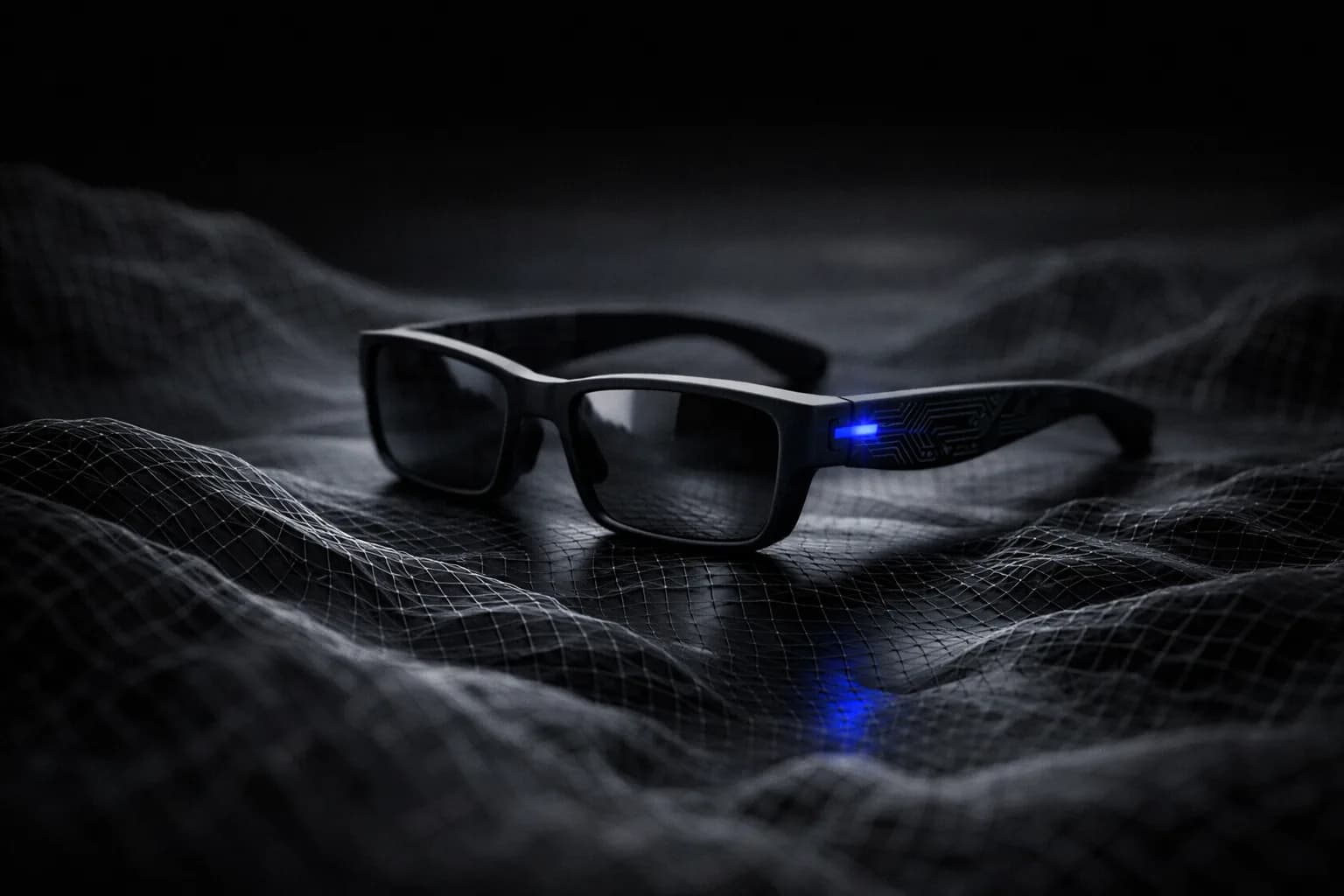
Meta Muse AI Agent: What Is It and How Does It Work?
Meta’s Muse is a personal AI agent designed to interact with users naturally, answer questions, and handle simple tasks. Unlike traditional chatbots that rely on text-only interfaces, Muse is being built with integration in mind—think wearable devices like smart glasses. This shift means Muse can potentially deliver answers, reminders, and context-aware prompts right into a user’s field of view, hands-free. The core mechanism hinges on advanced language models trained to understand everyday speech, context, and intent, making conversations with Muse feel more like speaking to a helpful friend than querying a search engine.
Early Adoption: Surpassing ChatGPT’s Initial Growth
Reports indicate that Muse is outperforming ChatGPT’s early user metrics, an achievement given ChatGPT’s rapid ascent to household-name status. While Meta hasn’t released exact numbers, the momentum suggests a public appetite for AI agents that extend beyond text chats. Muse’s integration with Meta-owned platforms and devices—such as smart glasses—reduces friction and meets users where they already are, pushing engagement numbers higher from the outset. This early surge positions Muse not just as a novelty but as a contender in the AI assistant landscape.
AI Agents Move Beyond Screens: The Smart Glasses Angle
Meta’s plan to embed Muse into smart glasses marks a tangible departure from screen-bound AI. Unlike mobile apps or web-based bots, smart glasses bring AI into everyday environments, offering real-time assistance during commutes, meetings, or errands. For businesses, this means employees—from warehouse staff to salespeople—could access instant information, directions, or translations without breaking focus or pulling out a phone. The hands-free, heads-up model signals a major step toward practical, ubiquitous AI support.
Competitive Pressure on OpenAI and Anthropic
The timing of Muse’s surge coincides with major releases from AI stalwarts OpenAI and Anthropic: Opus 5.5 and GPT-6 updates dropped within hours of each other. Yet, despite these headline-grabbing moves, it’s Meta’s consumer-oriented, device-integrated AI that has captured more attention. This reflects a subtle but important shift: performance and accuracy matter, but real-world deployment and user experience are driving adoption. Companies focusing on frictionless interaction and hardware partnerships may find themselves with an edge, even against technically superior competitors.
Business Implications: Why Personal AI Agents Matter Now
For businesses, the rise of device-integrated personal AI agents like Muse opens new channels for productivity, customer service, and engagement. Employees could use AI for on-the-spot coaching, process guidance, or real-time troubleshooting. Customer-facing industries—retail, hospitality, travel—can explore new ways to deliver instant support via wearables. As adoption grows, the pressure increases to rethink workflows and customer journeys, integrating AI touchpoints where they provide immediate, tangible value. Early movers can experiment with low-risk pilots, learning how these agents fit real operations before competitors catch up.
- meta
- muse
- ai agent
- smart glasses
- chatgpt
- business impact
Source: TechCrunch AI
Keep reading



Want AI in production at your company?
Tell us about your project: we reply with a free first assessment and the next steps.
Join the Observatory list
Leave your email to hear about new pieces from the Observatory — concise AI analysis from real projects.