
Agents
Perplexity AI Agents Redefine Workspace Collaboration
Perplexity's AI agents, dubbed 'Teammates,' introduce persistent, multi-role support for workspaces, shifting the dynamics of digital collaboration.
Key takeaways
- Persistent AI agents like Perplexity Teammates remember projects and context across sessions.
- Integrating agents with device-level tools lets them automate complex workflows, not just answer questions.
- Businesses gain from multi-role agents that mirror real team structures, improving efficiency and collaboration.
AI-generated from the cited source and editorially curated by AINEVERSTOPS. Read our editorial policy →

AI Agents Evolve from Assistants to Persistent Teammates
Until now, AI at work has mostly meant chatbots or assistants answering one-off questions or automating simple tasks. Perplexity's new 'Teammates' mark a distinct break from that model. These agents are always active in the workspace, not just quietly waiting for prompts. They remember previous projects, track ongoing work, and can handle several business roles at once. It's a change from static, session-based AI to living digital coworkers embedded in the daily flow of work.
For comparison, earlier AI tools—from virtual assistants to productivity bots—offered only isolated bursts of help. Each request was a blank slate, with no memory or context beyond the current session. Teammates, by contrast, act as persistent colleagues, continuously aware of projects, deadlines, and collaborative threads.
Technical Integration: Beyond Standalone Bots
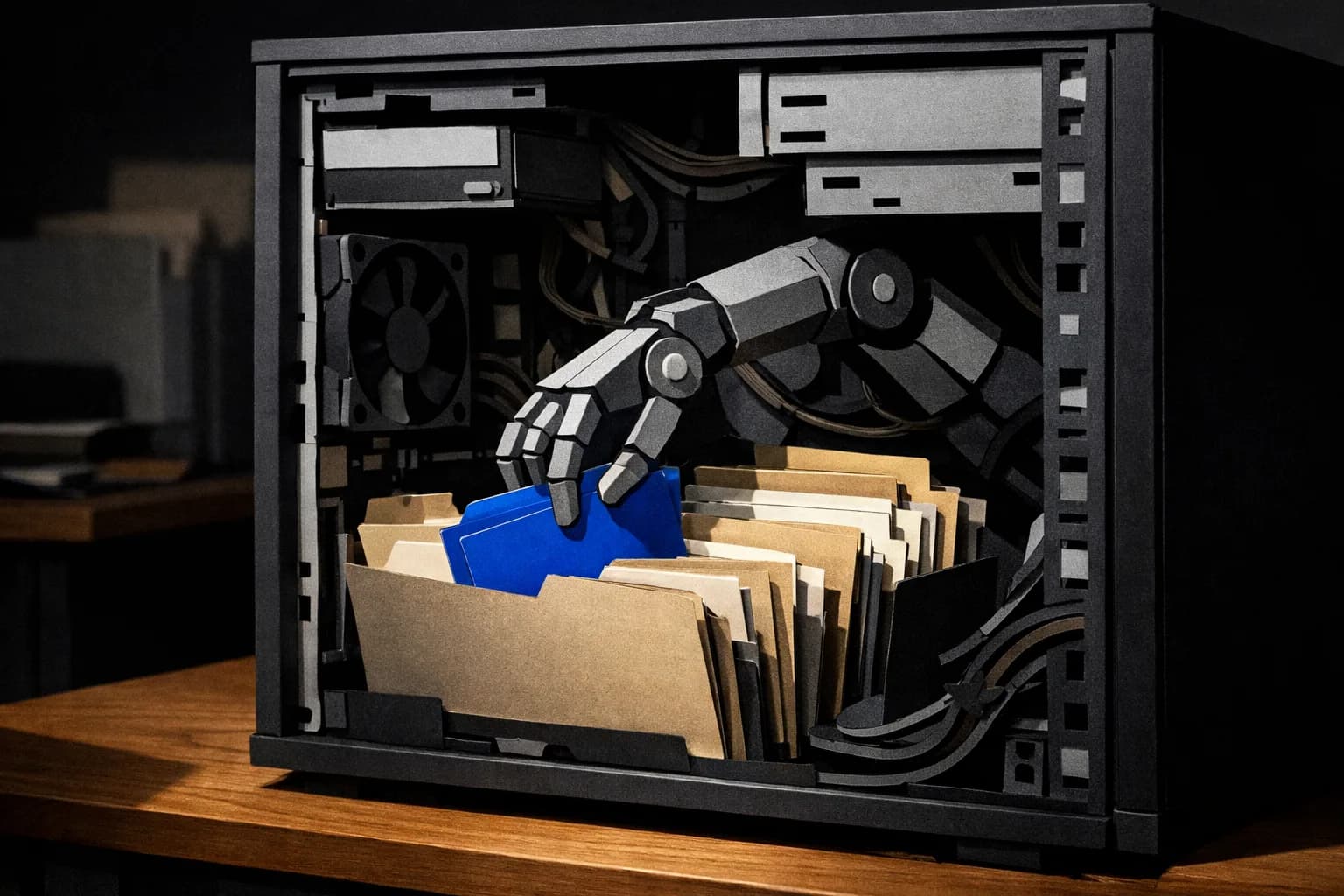
Perplexity’s solution draws strength from integration. Teammates aren’t floating in a silo—they pull context, skills, and company memory from the wider Perplexity platform. They also link up with Perplexity Computer, the startup’s system for deploying agents directly onto user devices. This bridges the gap between cloud-based knowledge and local execution, so agents can take action both within and beyond the web interface.
Previous AI agents typically operated as standalone web services or apps, disconnected from a business’s actual workflow. The move to integrate persistent agents with device-level tools means Teammates can now automate multi-step tasks, fetch files, and contribute to group projects in real time, not just in theory.
Multi-Role AI: How Teammates Change Work Dynamics
A key distinction with Teammates is their ability to adopt multiple roles within a workspace. Businesses can assign different jobs to different agents—one might handle research, another manages scheduling, while a third oversees document preparation. These roles can run in parallel, supporting teams much as human specialists would.
This stands in contrast to legacy AI deployments, where a single bot was expected to juggle every function, usually with mixed results and little ability to scale up as projects grew. With Teammates, organizations can mirror the structure of real teams, with agents specializing and collaborating as projects evolve.
The Competitive Landscape: Perplexity vs. OpenAI and Anthropic
Perplexity’s move comes as industry giants OpenAI and Anthropic experiment with their own takes on AI-powered digital coworkers. OpenAI’s Dots and Anthropic’s Claude Duet each pitch multi-agent collaboration, but Perplexity emphasizes persistent memory and ongoing involvement in workspace tasks. That persistence is a marked difference from the prompt-response loop of earlier AI systems, positioning Teammates as a more hands-on, embedded solution for business workflows.
For businesses, this raises the bar for what AI agents can actually deliver. Rather than just automating individual tasks, Teammates aim to become a reliable part of the team, learning and adapting as work progresses.
What This Means for Businesses Going Forward
For companies that rely on digital collaboration, these developments mean less time spent re-explaining work to bots and more time spent pushing projects forward. Persistent, multi-role AI agents could reduce context-switching, speed up project handoffs, and tighten team coordination.
Instead of fighting the limitations of session-based assistants, businesses can experiment with agents that understand their ongoing priorities, track progress, and interact with both cloud and on-device systems. It marks a shift from treating AI as a tool to treating it as an actual (albeit digital) coworker.
- ai agents
- workspace collaboration
- perplexity
- digital transformation
- enterprise software
Source: The Verge AI
Keep reading

Want AI in production at your company?
Tell us about your project: we reply with a free first assessment and the next steps.
Join the Observatory list
Leave your email to hear about new pieces from the Observatory — concise AI analysis from real projects.