
Agents
Perplexity Personal Computer Brings AI Agents to Windows
Perplexity Personal Computer enables Windows business users to deploy AI agents as digital workers, with direct access to local apps and files.
AI-generated from the cited source and editorially curated by AINEVERSTOPS. Read our editorial policy →
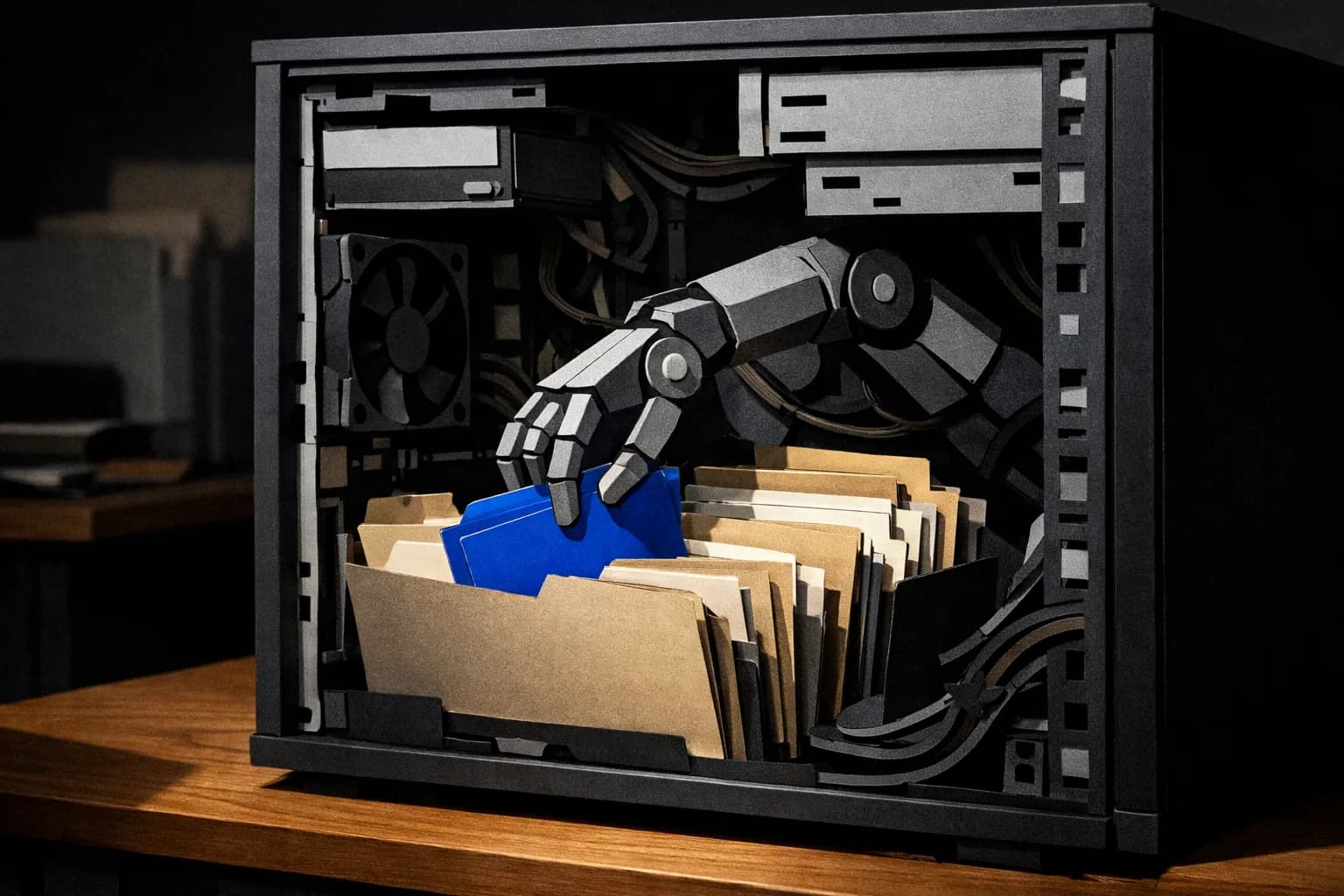
AI Agents Step Up: Perplexity Expands to Windows Desktops
Perplexity’s Personal Computer tool now works on Windows machines, not just Macs. This expands the reach of agentic AI from early adopters to the bulk of business computers worldwide. Unlike cloud-based assistants, this system operates directly on a user’s device, tapping into files and applications without shuttling sensitive data to external servers.
The tool acts as a digital worker, able to automate multi-step tasks that once required manual, repetitive effort. Imagine automatically compiling quarterly reports by pulling from spreadsheets, emails, and PDFs scattered across local drives. The agent can launch applications, extract information, and assemble deliverables, working behind the scenes as a local knowledge worker—no scripting required.
The Practical Upsides—and the Privacy Tradeoffs
For leaders running Windows shops, the immediate appeal is clear: automation without the complexity of custom integrations or the risks of uploading proprietary data to the cloud. A local AI agent can streamline routine workflows, reduce employee drudgery, and potentially free up IT resources traditionally tasked with RPA (robotic process automation) deployments.
However, this direct integration with local files and applications introduces a new layer of privacy and security calculus. While data stays on the device, any tool with broad OS-level permissions can theoretically access sensitive information. Ensuring these agents are sandboxed and auditable becomes non-negotiable, especially for regulated industries.
Operational Impact: Where Do AI Agents Add Value?
In our consultancy work, we've observed agentic tools like this excel at tasks that straddle departments and systems—think finance teams consolidating invoice approvals, HR automating onboarding document prep, or customer service pulling context from old cases. The real value comes from the agent’s ability to act, not just answer queries. Unlike classic chatbots, these agents can trigger actions across multiple applications, mimicking skilled multitasking assistants.
This goes well beyond simple macro automation. The AI agent can adapt to new file structures, handle exceptions, and interact with a changing set of business apps. For CIOs and operations leads, the promise is a workforce quietly augmented by tireless digital colleagues.
Implementation Decisions: Buy, Ban, or Pilot?
Windows-based AI agents now pose a clear decision point for business leaders. Is it time to embrace on-device automation, or does the risk profile outweigh the productivity gains? The answer depends on internal policies, risk appetite, and the quality of the agent’s permission controls.
A blanket ban may be tempting, but risks falling behind as competitors accelerate digital transformation. A hasty, all-in rollout could open up attack surfaces or compliance nightmares. For most, a narrow pilot—focused on non-sensitive workflows and accompanied by rigorous auditing—offers a pragmatic path. Evaluate not just what the agent can do, but how well it plays within your IT governance model.
Next Moves: Building Internal Expertise and Guardrails
As these AI agents become more capable, the skills required to deploy, monitor, and govern them will shift. IT teams should start building internal playbooks for agent oversight, including regular permission audits and usage reviews. Legal and compliance teams need a seat at the table early, not after an incident.
The market will soon be crowded with similar agentic tools, each with their own quirks and security models. Leaders who experiment early—while keeping a close watch on controls—stand to gain operational tailwinds without getting blindsided by hidden risks.
- windows
- ai agents
- perplexity
- digital workers
- automation
- security
Source: The Verge AI
Keep reading



Want AI in production at your company?
Tell us about your project: we reply with a free first assessment and the next steps.
Join the Observatory list
Leave your email to hear about new pieces from the Observatory — concise AI analysis from real projects.