Models
Open-Weight AI Models: Meta’s Glimmer and the Business Stakes
Meta’s Glimmer open-weight AI promises local deployment, challenging closed API models. Understanding open-weight AI is crucial for businesses eyeing custom solutions.
AI-generated from the cited source and editorially curated by AINEVERSTOPS. Read our editorial policy →
How Open-Weight AI Models Like Glimmer Work
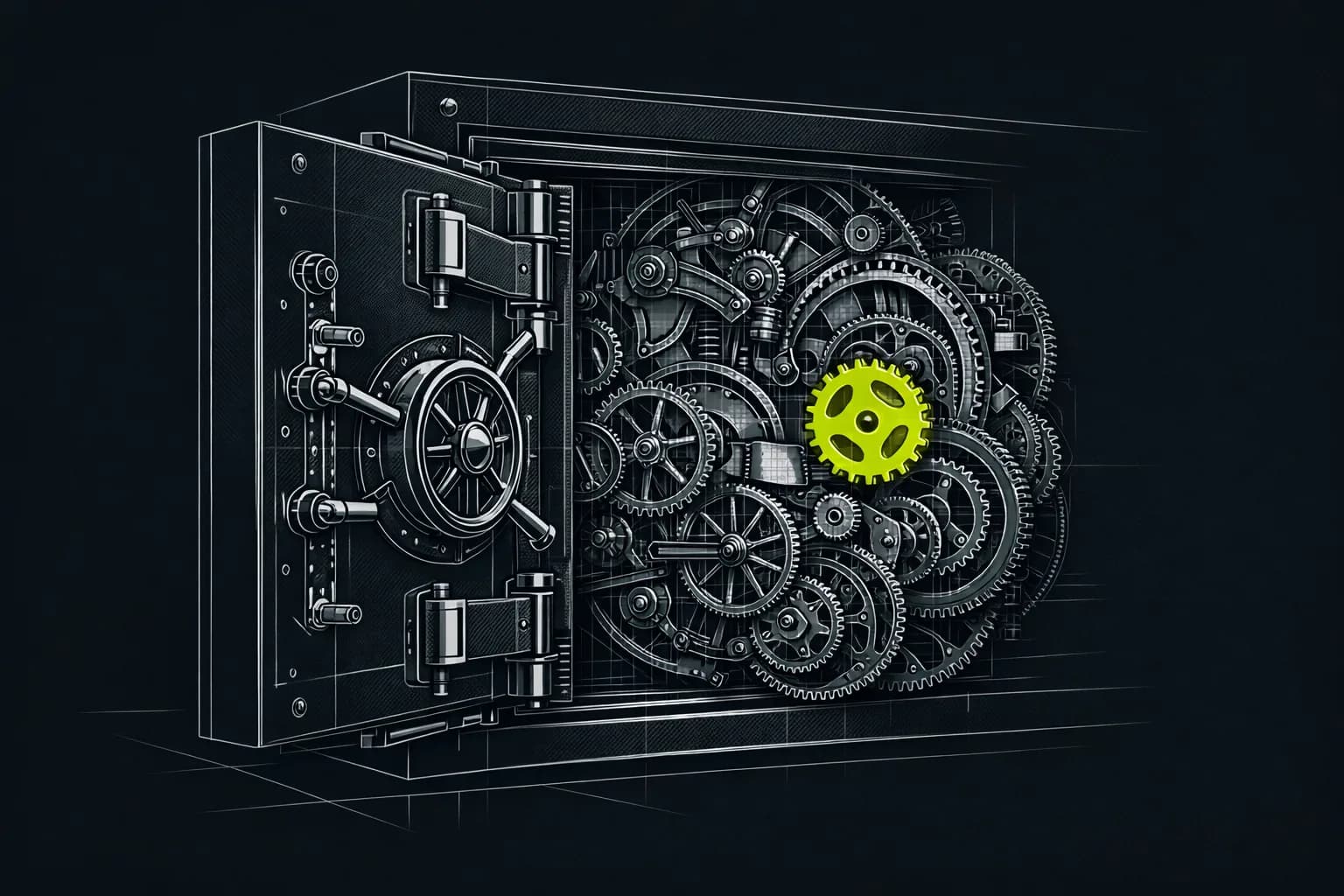
Meta’s new Glimmer model is labeled 'open-weight,' meaning anyone can download and run the model's core data—the neural network’s actual learned parameters—on their own hardware. Unlike many consumer-facing AI tools that only operate via cloud APIs, open-weight models can be installed and executed directly on laptops, servers, or edge devices. This structure allows users to inspect, modify, and experiment with the model outside of Meta’s cloud environment.
The contrast is stark with models like Meta’s Muse Spark. Those are 'closed,' accessible only through remote APIs. In closed setups, companies must send their data to external servers for processing, and they can’t adjust the underlying model to fit unique needs. Glimmer, in contrast, opens the black box—at least partially—by giving organizations the freedom to tune, deploy, and even audit the model’s behavior in-house.
AI Accessibility, Control, and the Corporate Narrative
Mark Zuckerberg’s public letter positioned Meta as a champion of accessible AI, arguing that such technology should not be the property of a few giants. The rhetoric emphasizes democratization: anyone, from hobbyists to multinational firms, can now run advanced language models without gatekeepers.
But there’s nuance. While Glimmer is available for direct download, Meta’s most advanced models remain closed and cloud-bound. This dual approach lets Meta promote openness while maintaining strict control over its most valuable intellectual property. For businesses, this signals where the real trust—and risk—lines are drawn. Openness is often strategic, limited to models that are safe for wider distribution without threatening core competitive advantage.
The Business Angle: Customization, Privacy, and Cost
For companies, open-weight models like Glimmer offer several tangible benefits. First, running AI locally eliminates recurring API fees and usage limits, making cost planning more predictable. Second, local deployment means sensitive data never leaves company walls, addressing compliance and privacy mandates in regulated sectors like healthcare and finance.
Open-weight access also opens the door to true customization. Teams can fine-tune models with proprietary data, adjust outputs to fit specific workflows, or embed AI into products without relying on Meta’s infrastructure. This flexibility is often impossible with closed models locked behind third-party APIs, which can change terms or pricing with little notice.
Risks and Responsibilities of Local AI Deployment
With greater freedom comes new obligations. Deploying open-weight AI means the business—not Meta—must handle model updates, patching, security, and ethical guardrails. Unlike API-based solutions, where the provider filters harmful content and fixes bugs, local deployments put the onus of responsible use squarely on the operator.
For many firms, this tradeoff is worth it. In the projects we run, we’ve seen organizations gain agility and insight from direct control over models, but only those with technical maturity and a willingness to invest in governance reap the full benefits.
Where Open-Weight AI Fits in Strategic Planning
The release of Glimmer isn’t just a technical footnote; it’s a signal that open-weight models are moving into the mainstream. Enterprises considering AI adoption should reevaluate procurement and risk frameworks. The choice between open-weight and closed models shapes not just budget and compliance, but also innovation potential and bargaining power with big tech providers.
Companies in data-sensitive industries, or those needing unique AI flavors, should scrutinize open-weight releases closely. This isn’t the end of closed AI, but it does mark a shift: the power balance between users and AI creators is in flux, and businesses have more runway than ever to pick the stack that matches their goals.
- open-weight models
- meta
- enterprise ai
- ai business strategy
- ai deployment
Source: TechCrunch AI
Keep reading


Want AI in production at your company?
Tell us about your project: we reply with a free first assessment and the next steps.
Join the Observatory list
Leave your email to hear about new pieces from the Observatory — concise AI analysis from real projects.