
Hardware
Apple lawsuit clouds OpenAI’s hardware ambitions
Apple’s legal action threatens OpenAI’s leap into hardware, raising tough questions for businesses banking on AI-powered devices. Here’s why it matters.
AI-generated from the cited source and editorially curated by AINEVERSTOPS. Read our editorial policy →
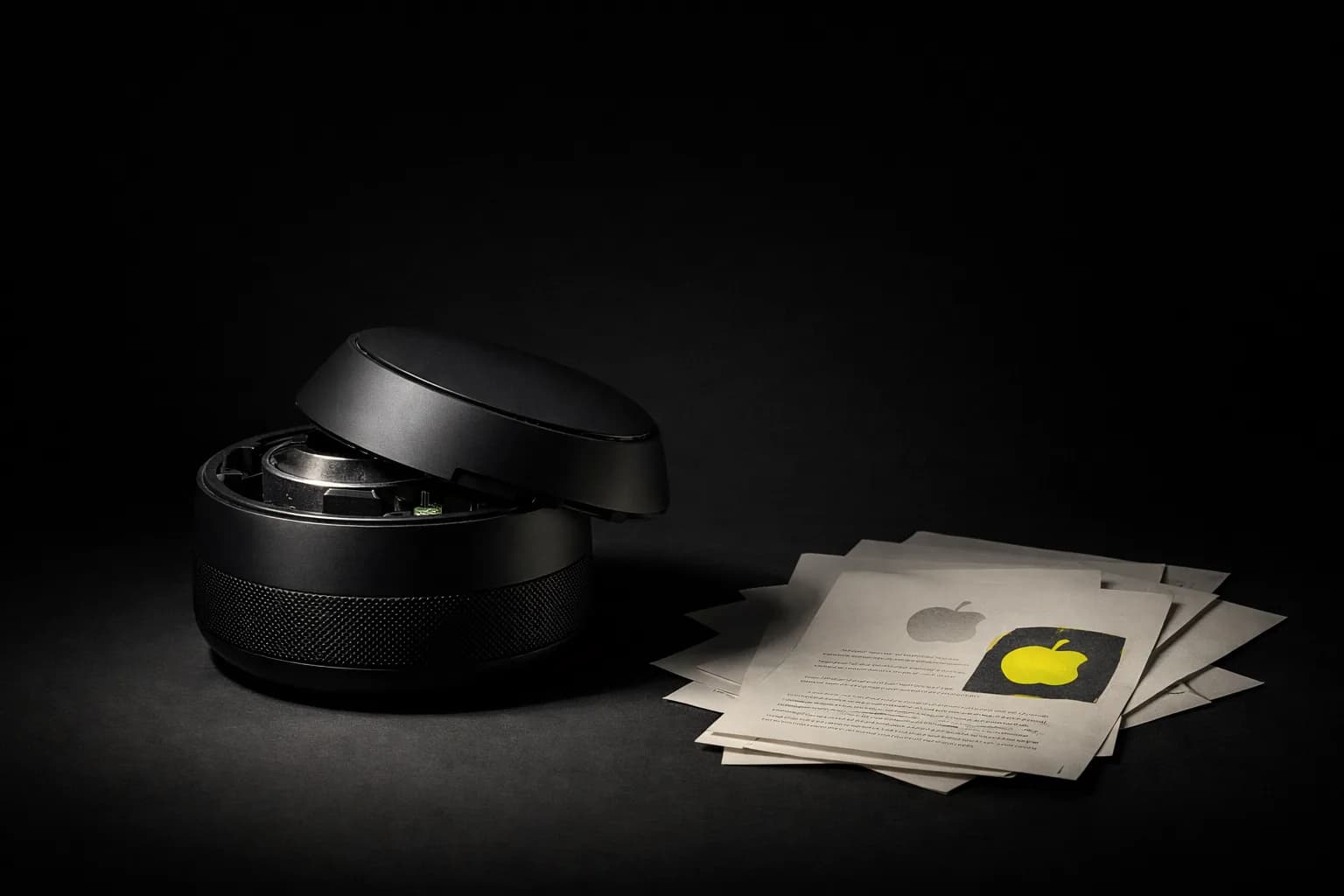
Apple’s legal threat targets OpenAI’s hardware push
The most unexpected twist in OpenAI’s trajectory comes not from a new model release, but a looming lawsuit from Apple. This legal move lands just as OpenAI gears up to launch its first major hardware products. The timing is precise, and the message is clear: Apple intends to defend its territory as OpenAI edges from software into physical devices.
OpenAI’s hardware ambitions have been an open secret, with the company reportedly developing AI-powered consumer gadgets. For Apple, which guards its hardware ecosystem with near-fanatical zeal, any encroachment—especially from a rising AI powerhouse—feels like a threat. The lawsuit appears designed to signal that OpenAI shouldn’t expect an easy ride into the gadget business.
Why Apple and OpenAI are on a collision course
Apple has always played a long game when it comes to controlling both software and hardware. Its monopoly on device experience and the integration of its own AI assistant into every device makes it fiercely protective. OpenAI, meanwhile, has built its reputation by dominating generative AI models and applications. Now, by signaling its intent to ship physical products, OpenAI is stepping onto Apple’s home turf.
The lawsuit itself—details of which remain mostly under wraps—likely centers on intellectual property, competitive practices, or ecosystem access. For businesses watching this scuffle, the core issue is ecosystem control. If Apple wins, it could set a precedent that makes it far more difficult for AI-first firms to break into consumer devices without going through gatekeepers.
Implications for AI device startups and investors
Hardware is a tough business—one littered with failed experiments and margin pressures. For AI startups, the path to profitability has always been through software and cloud-based services. OpenAI’s move to ship its own devices marks one of the first serious attempts to bridge this gap. Apple’s legal pushback, however, raises the cost of entry.
Investors and founders now face a new risk calculus. Backing an AI hardware startup may mean signing up for protracted legal battles with incumbents. For enterprise customers and business partners, the specter of litigation means uncertainty—will the device you build on or integrate with face a sudden market freeze?
What businesses should watch as the battle unfolds
For any company betting on AI-powered hardware—whether as a vendor, buyer, or partner—the outcome of this clash matters. Apple’s war chest and legal playbook have crushed would-be competitors before. If OpenAI pushes through and launches a successful device, it could signal a new era: AI firms able to set their own rules in hardware, rather than licensing or plugging into existing devices.
But if Apple wins, expect stricter controls, higher compliance costs, and less room for experimentation. The legal landscape will shape product roadmaps as much as technological possibility. In our own consultancy’s work with clients exploring AI-powered edge devices, we’re already flagging this as a major strategic risk.
The long-term stakes for the AI hardware ecosystem
This lawsuit isn’t just about OpenAI and Apple; it sets the tone for the whole AI hardware ecosystem. Will tech giants be able to fence out AI-native challengers by legal means, or will a new breed of device companies force open the gates? For now, every business with skin in the AI hardware game is watching closely—and recalibrating their plans accordingly.
- openai
- apple
- hardware
- ai business
- legal
- devices
Source: TechCrunch AI
Keep reading

Want AI in production at your company?
Tell us about your project: we reply with a free first assessment and the next steps.
Join the Observatory list
Leave your email to hear about new pieces from the Observatory — concise AI analysis from real projects.